

From my experience, solar, energy storage, EV charging and grid infrastructure benefit greatly from gender diversity, because the industry is about much more than just technology. It sits at the intersection of technology, finance, regulation, communities and long-term systems planning. Diverse teams bring different perspectives to risk assessment, stakeholder engagement and decision-making, improving the execution of complex, capital-intensive projects. I’ve seen inclusive teams communicate better, challenge assumptions, and build more resilient solutions. In an industry that has been shaping the energy transition for decades, diversity directly supports better outcomes, not just better representation.
This is also why diversity, equality and inclusion directly contribute to the resilience and success of the renewable energy sector. In a highly complex and rapidly changing environment, broader perspectives improve decision-making, risk management and adaptability. Helping diverse teams anticipate technical, regulatory and social challenges earlier and respond more effectively. Inclusion expands the talent pool in a sector facing skills shortages, strengthens leadership pipelines and improves stakeholder confidence, from communities to investors. Ultimately, DEI supports solutions that are not only technically sound, but also socially accepted, scalable and sustainable in the long term.
Systemic barriers and navigating a male-dominated industry
Looking back on my career, I encountered systemic barriers, such as being one of the few women in senior, technical-commercial positions and having to more consistently prove my credibility in male-dominated environments. Informal networks often influenced access to opportunities, especially in international contexts. This dynamic was not always visible, but it did have a real impact on progress.
What helped me overcome these challenges was a combination of strong performance, continuous learning and, most importantly, mentorship. Having mentors who provided honest feedback, opened doors, and actively advocated for me really made a difference. Their guidance has helped me navigate the complexity, build confidence, and move forward with clarity and resilience.
Despite greater awareness today, the pace of real change around gender inclusion in leadership has been slower than I expected. In many parts of the industry, leadership structures are still very similar to those of a decade ago. However, there is a clearer realization that inclusion is not just a values issue, but also a business issue. To create meaningful shifts, we still need to work much harder, through accountability, active sponsorship and deliberate development of diverse talent, rather than relying on gradual or organic change alone.
Bias, credibility and career development
As my career progressed, I often had to work significantly harder to achieve the same level of credibility and recognition as my male peers. Prejudices and skepticism were sometimes subtle, sometimes explicit. I solved this by consistently over-preparing, building deep technical and commercial expertise, and letting the results speak for themselves.
At the same time, I learned to confront bias head-on when necessary, to choose environments that valued performance over stereotypes, and to rely on mentors and allies who strengthened my position and supported my progress. One of the most important leadership lessons I’ve learned is that no one will stand up for you unless you stand up for yourself first.
I looked to my male mentors to understand how leadership decisions were made, and I learned that ambition must be clearly articulated. I had to ask for what I wanted and actively put myself forward for C-level positions. By acting decisively, taking charge of my career and combining confidence with competence, I have been able to break down traditional barriers in a male-dominated industry.
The role of mentorship and inclusive leadership
Mentorship has played a very important role in shaping my career. I have learned a tremendous amount from my mentors, not only in terms of technical and strategic skills, but also in navigating leadership dynamics and making bold career decisions. Their guidance, honesty and trust made me grow faster and with more confidence.
This experience has also determined how I guide others today. I see mentorship as a responsibility to pass on knowledge and actively support the next generation of leaders, not just as advice, but as advocacy when it matters.
I have learned to be inclusive through years of working in a truly international environment. Working together across cultures, disciplines and perspectives taught me the value of listening, respect and openness. When you work with people from different backgrounds, you quickly realize that there is rarely one “right” way to lead or solve problems. As a leader, I actively encourage diverse viewpoints, create space for constructive challenge, and make inclusivity part of the way decisions are made, not as a concept, but as a lived experience.
Challenges and impact of DEI at the executive level
At the executive level, one of the biggest challenges in driving DEI initiatives is turning intent into measurable action and maintaining momentum beyond just statements or objectives. DEI often competes with short-term business pressures, and progress can feel slow, leading to fatigue or loss of focus.
Accountability is another crucial challenge. Leaders may support DEI in principle but be hesitant to change hiring, promotion, or power structures. Unconscious biases and homogeneous leadership networks can also limit real change unless leaders actively challenge their own assumptions and lead by example.
There are also clear gender dynamics within project development, infrastructure and decision-making, which have traditionally been male-dominated. This can limit perspectives, strengthen informal networks and delay cultural change. At the same time, as more women move into leadership roles, I see positive effects: more balanced decision-making, stronger stakeholder engagement, and healthier team dynamics. Addressing these dynamics openly is essential because improving inclusion directly strengthens implementation, quality of leadership and long-term credibility of the sector.
What inclusion looks like in practice
I have seen very tangible effects from diverse leadership teams. In one of my teams, inclusion meant respecting very different needs equally, whether it was an engineer who needed time for prayer during the day or a parent who had to leave early to pick up a child. By treating both with the same respect and flexibility, trust and loyalty increased significantly.
The result was greater engagement, better collaboration and stronger performance. When people feel respected for who they are, they contribute more openly and consistently, which immediately improves results.
To retain and develop diverse talent, organizations must prioritize flexibility, work-life balance, and trust-based leadership. People perform best when they have autonomy and are judged based on results rather than attendance. Clear development paths, equal access to opportunities and supportive managers are essential. When organizations respect individual needs while maintaining high standards, they create an environment where diverse talent can grow, stay engaged and advance into leadership roles in the long term.
The power of alliance, sponsorship and advice for the next generation
A very concrete example of inclusive leadership in my own career was the support of a male mentor who actively created opportunities for me. He gave me the opportunity to move to London, which significantly expanded my international exposure and responsibility. That step was a turning point in my career and led directly to my development into the role of Managing Director. His trust, sponsorship, and willingness to challenge traditional expectations helped break down barriers that I could not have overcome alone, and it reinforced for me how powerful inclusive leadership and active allyship can be.
At the same time, I believe that women can support each other much more effectively by moving from informal encouragement to active sponsorship. This means openly sharing information, recommending other women for roles and projects, providing honest feedback and creating visibility for each other’s achievements. It also requires breaking down the idea of scarcity; there is room for more than one woman at the table. By building trusted networks and purposefully supporting each other, women can help accelerate change much more effectively than moving forward alone.
To any young woman entering the solar and renewable energy sector today, my advice would be: build strong technical and commercial credibility early, be curious and don’t underestimate your ambition. Say what you want, even if it feels awkward; opportunities rarely come unsolicited. Seek out mentors and allies, learn from different cultures and perspectives, and choose environments that value performance and integrity. You may have to work harder at times, but your perspective is necessary. The renewable energy sector is shaping the future, and there is space and responsibility for women to lead that change.
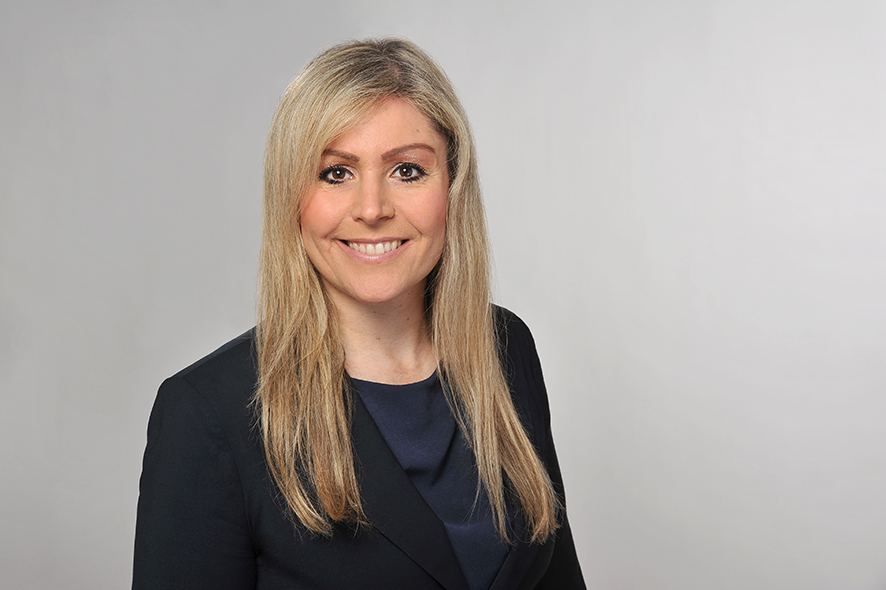
Eva Belletti is an experienced executive in the sustainable energy sector, with a strong track record in the development and leadership of international companies in the fields of solar energy, energy storage and infrastructure. She has held senior management and managing director positions in Europe and other international markets, working at the intersection of project development, finance, regulatory and operations. Eva has led complex, capital-intensive projects and built high-performing, diverse teams in multicultural environments. She is known for her strategic mindset, hands-on leadership style and her ability to scale organizations in high-growth markets. Eva holds an EMBA from the University of St. Gallen and an LL.M. in German law from LMU Munich and is passionate about inclusive leadership and the energy transition.
Interested in participating Eva Belletti and other female market leaders and experts at Women in Solar+ Europe? More information: www.wiseu.network
The views and opinions expressed in this article are those of the author and do not necessarily reflect those of the author pv magazine.
This content is copyrighted and may not be reused. If you would like to collaborate with us and reuse some of our content, please contact: editors@pv-magazine.com.
