

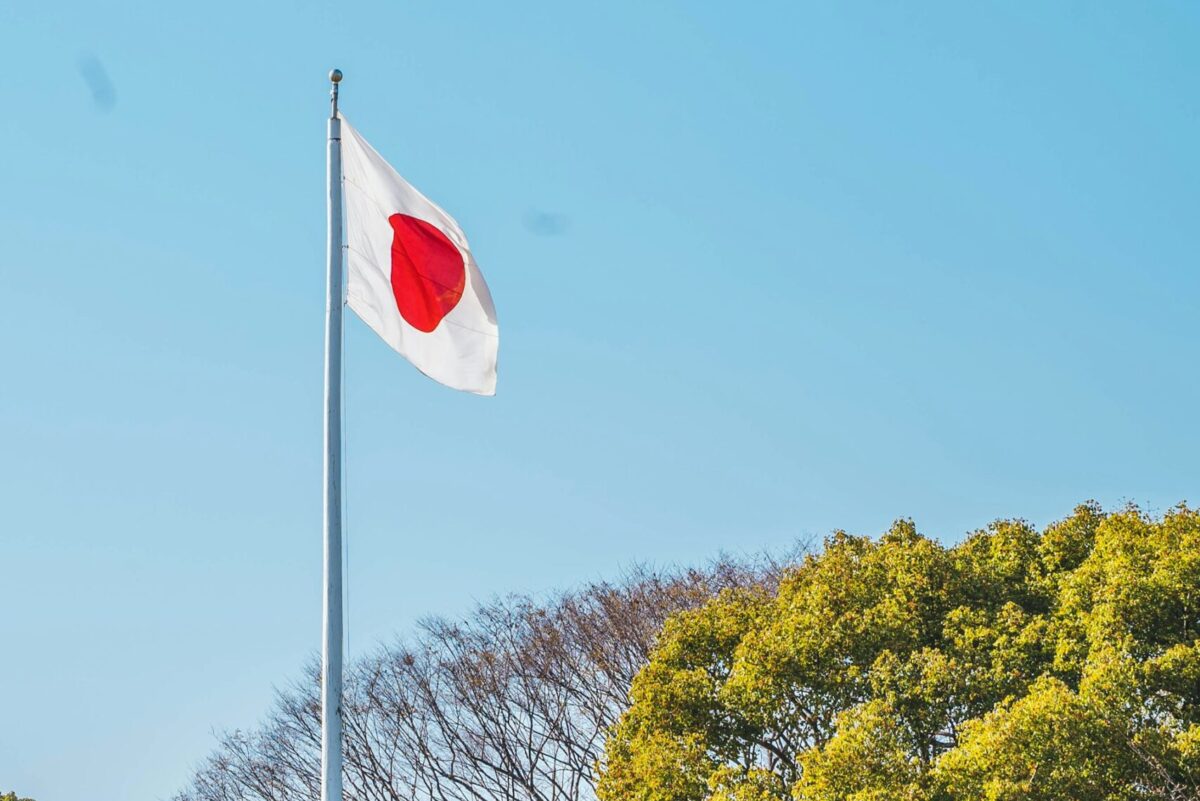
Estimates indicate that Japan added between 5.8 GW and 6 GW of solar power last year, likely pushing the country past 100 GW of cumulative solar capacity. Last year’s installations were led by the commercial and industrial markets, while the residential sector also saw increased demand.
Japan added between 5.8 and 6 GW of solar energy last year, according to estimates from Tokyo-based solar consultancy RTS Corp.
The estimate indicates that Japan’s cumulative solar capacity could now easily exceed the 100 GW threshold. According to data available on the International Energy Agency Photovoltaic Power Systems Program (IEA-PVPS) website, Japan reached approximately 100 GW of solar power by the end of 2024, after adding 5.5 GW of solar power in 2024 and 6.2 GW in 2023.
Izumi Kaizuka, RTS Corp’s chief analyst and director of the company’s business development division, said pv magazine Last year’s deployment figures included an estimated 1.6 GW of residential solar, 2 GW in the commercial and industrial (C&I) segment and 2.2 GW of utility-scale installations of 1 MW or larger.
Kaizuka said Japan’s feed-in tariffs (FiT) and feed-in premiums (FiP) were important market drivers last year, while noting that the frequency of corporate power purchase agreements in the C&I and utility markets signed outside the FiT and FiP arrangements is increasing.
She added that the residential sector was enjoying it accelerated demand last year was supported by the Tokyo Metropolitan Government, which since April last year legally required solar energy systems to be installed on newly built houses. The city of Kawasaki has introduced a similar measure.
Kaizuka told pv magazine the number of installations in 2026 is likely to keep pace with 2025, but suggested a small rush could occur as the government has decided to discontinue FiT and FiP for solar systems with a capacity of 10 kW or more, effective fiscal year 2027. In December last year, the government also announced plans to tighten rules for utility-scale projects.
Nevertheless, the Japanese government positioned solar energy as the largest energy source in the 2040 energy mix in its seventh strategic energy plan. The plan, which was finalized in February 2025, envisages a ratio of renewable energy sources of 40% to 50% by 2040. Solar energy is expected to account for between 23% and 29% of total electricity generation, the largest share attributed to any generation technology, equivalent to between 203 GWac and 280 GWac of solar capacity.
Kaizuka said Japan’s solar energy sector would benefit from the relaxation of regulations around agrivoltaics, which she said has significant potential in Japan. The authorities decided to do this suspend incentives for more than 300 agricultural voltaic projects mid 2024.
Japan held four utility-scale solar auctions in 2025. The 23rd auction ended in March, where 93 MW of solar capacity with an average price of JPY 5.06 ($0.032)/kWh, followed by a 24th auction concluded in July, during which 79 MW of solar energy at an average price of JPY 4.06/kWh. A 26th auction signed 75.3 MW of solar energy with an average of JPY 7.13/kWh. The registration procedure for the 27th round started in January.
Japan is also working to implement next-generation solar technologies. In September, the government launched applications to accelerate subsidies perovskite stake. It before set a goal of 20 GW perovskite solar capacity by 2040.
This content is copyrighted and may not be reused. If you would like to collaborate with us and reuse some of our content, please contact: editors@pv-magazine.com.
