

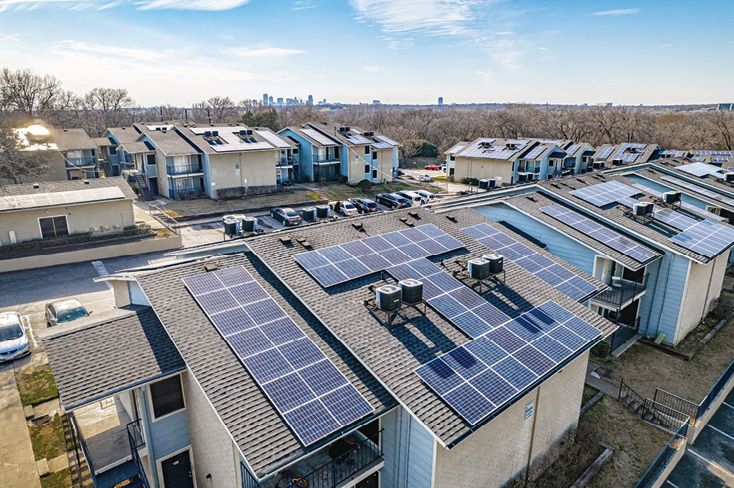
Regulators in 27 U.S. states are shifting residential electricity prices toward higher fixed monthly costs and lower usage-based rates, weakening the economics of rooftop solar and home battery systems. This redesign reduces incentives for distributed energy, compresses savings from peak rate arbitrage, and increases reliance on costly centralized grid expansion, potentially increasing long-term electricity costs for consumers.
State regulators are making a significant structural shift in housing rate design, directly reducing the financial viability of private clean energy investments. According to tracking data from the North Carolina Clean Energy Technology Center, regulators in 27 states have approved high fixed monthly fees or minimum billing for residential bills.
By increasing mandatory basic connection rates while lowering the variable per-kilowatt-hour rates charged for actual electricity consumption, investor-owned utilities are changing the traditional economic equation for distributed energy. The policy change doesn’t just affect solar-only customers; it systematically erodes the return on investment for consumers who combine solar with behind-the-meter battery storage, distorting the market signals needed to build a more resilient and affordable electric system.
The economic logic of residential energy storage is based on time-of-use arbitrage, i.e. charging a battery with cheap solar energy during the day and discharging it to power the house during expensive evening peak hours. When a utility increases its fixed monthly charges and flattens its variable rates, the price difference between daytime and nighttime electricity decreases. This compressed margin dilutes the financial value of a battery system, extending the payback period for a technology that requires a significant upfront capital investment.
In addition, high fixed costs create an inescapable billing floor. Even if a household achieves total energy self-sufficiency and draws net zero electricity from the grid, the customer must still pay the basic mandatory amount. This structural rate design removes consumer control over their own monthly expenses, penalizing households that invest private capital in energy savings, rooftop solar, and on-site battery storage.
While utilities defend these charges as necessary mechanisms to ensure that all customers contribute to the physical maintenance of the electric grid, suppressing distributed energy generation ultimately drives up long-term electricity prices for the entire consumer base.
The traditional centralized utility model is based on transporting energy over long distances, from utility-scale generation plants to high-demand population centers. This architecture requires continued multi-billion dollar investments in transmission lines and substation upgrades to handle peak demand periods.
Analysis of the Rocky Mountain Institute (RMI) indicates that the expansion of centralized infrastructure is one of the main factors driving rising electricity rates in the United States. When regional networks face capacity constraints, the costs of expanding high-voltage transmission lines are passed directly to consumers through higher supply costs, locking in higher system costs for decades.
Distributed energy resources provide a direct alternative to these expensive capital expenditure cycles. By generating and storing electricity at the point of consumption, residential solar-plus-battery systems reduce the overall peak load on the distribution grid.
Localized mitigation delays or eliminates the need for utilities to construct costly transmission line extensions and substation overhauls. Clean energy advocacy groups, including Vote Solar, point out that encouraging private distributed generation shifts the financial burden of infrastructure development from public utility ratepayers to willing private investors.
When regulatory frameworks penalize private investment through high fixed costs, they discourage precisely the decentralized efforts needed to reduce grid congestion. The resulting dependence on an overloaded, centralized transmission system keeps electricity prices high for consumers, forcing consumers to pay for unnecessary and expensive infrastructure expansions.
This content is copyrighted and may not be reused. If you would like to collaborate with us and reuse some of our content, please contact: editors@pv-magazine.com.
