Silver metallization paste
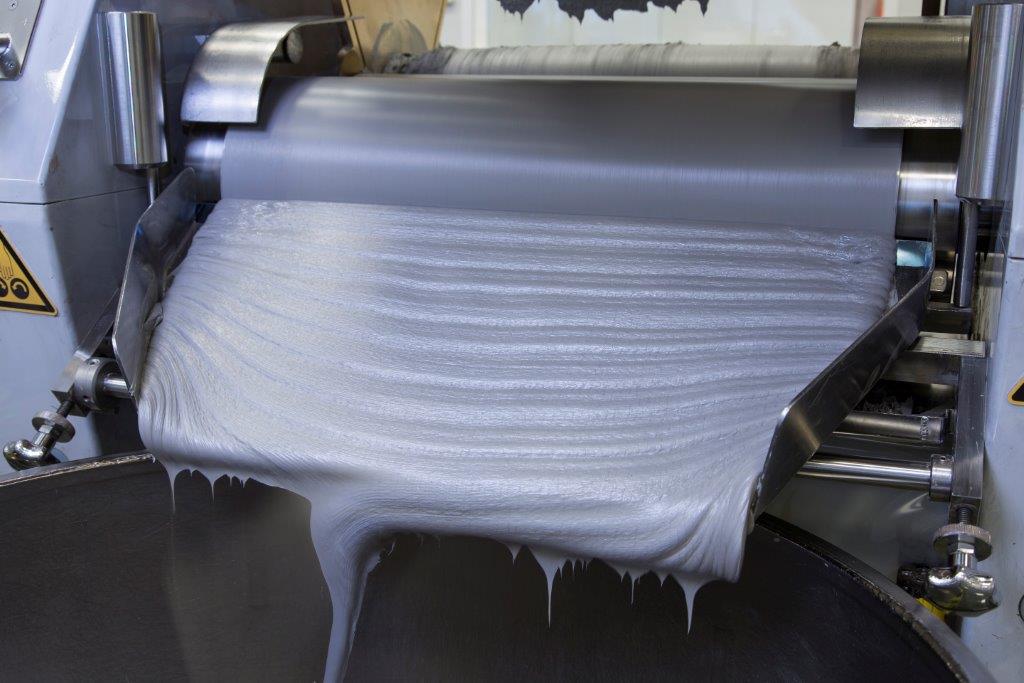
Image: Heraeus
Latin America now anchors the global silver supply chain, producing more than 55% of total world production. The metal – essential for the production of solar panels, semiconductors and electric vehicles – has shifted decisively from its historic monetary role to an industrial role.
According to CTC, Mexico leads with annual production of 185.7 million ounces, followed by Peru with 108.0 million ounces, Bolivia with 47.8 million ounces, Chile with 43.2 million ounces and Argentina with 24.9 million ounces. Together, the five countries supply about 410 million ounces per year, which is far ahead of other top producers, including China, Russia and the United States.
Mexico’s dominance rests on long-producing deposits in Zacatecas and Durango, while Peru’s dual production of copper and silver strengthens its strategic mining base. Bolivia continues to extract from its historic district of Potosí, and Chile uses its copper activities for secondary silver production. Still scaling up, Argentina is consolidating new projects that strengthen its regional role.
The region’s dependence on polymetallic mining and exposure to price volatility pose risks, but its geological resources give the region unparalleled influence in the clean energy economy. As industrial demand accelerates, the question is not whether Latin America can maintain its position – but whether it can extract more value from refining, processing and technology integration rather than remaining a supplier of raw materials.
This content is copyrighted and may not be reused. If you would like to collaborate with us and reuse some of our content, please contact: editors@pv-magazine.com.
Popular content