

Carlyle-backed owner-operator Revera Energy has reached financial close of its 200MW/400MWh Windyhill BESS in Scotland, bringing in energy trader Danske Commodities to optimize it and GE Vernova to supply the batteries.
The announcements came just days after we discussed the evolution of floors and toll rates with an executive from Danske Commodities at the Energy Storage Summit 2026.
Revera and the trading firm have signed a ten-year optimization agreement for the Windyhill battery energy storage system (BESS), based just outside Glasgow, Scotland. It is a revenue floor that covers 100% of the project capacity.
The operator has issued a Notice-to-Proceed (NTP) to its technology and construction partners, with construction to commence immediately and COD expected in the first quarter of 2028.
BESS and long-term maintenance services will be provided by GE Vernova, the energy technology and services company spun out of electronics giant General Electric (GE) in 2024.
Balance of Plant (BoP) work will be carried out by G2 Energy, the EPC and grid connection specialist that ceased operations in 2023 before being acquired by outsourcing giant Mitie the following year.
It is Danske’s largest BESS acquisition to date. Danske Commodities signed an optimization agreement last year for a 200MWh co-located BESS in the Kvosted solar and storage facility in Denmark with owner European Energy, the largest to date at the time.
Windyhill is the first project to start construction in a portfolio (in Great Britain and Australia) for which Revera secured a £110 million credit facility last month.
Industry that goes beyond just flooring
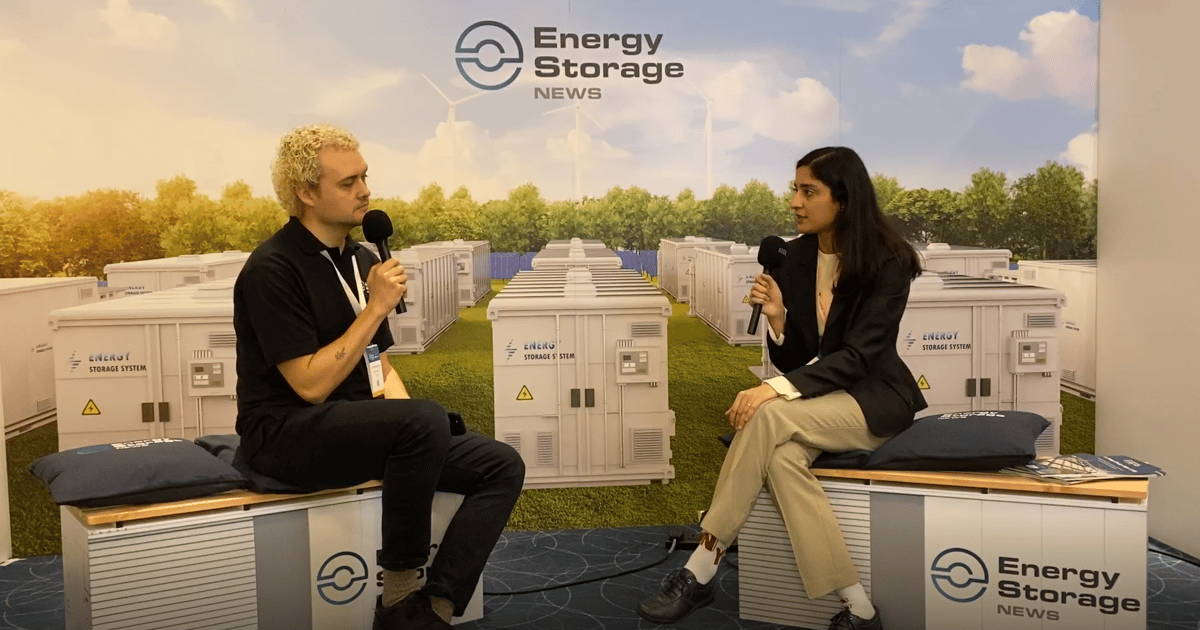
In conversation with our sister site Energy storage.news at the Energy Storage Summit 2026 in London last week, Rimshah Javed, the main initiator of Danske Commodities, discussed the evolution of turnover floors and toll rates in the sector. (Our interview took place before the Windyhill deals were announced, so she discussed the market in general.)
“The flooring product is fairly well understood at this point. Essentially it means that a buyer guarantees a minimum amount regardless of energy prices and the revenue it generates, with a profit share for anything above that,” she explained.
“Recently we have seen the first few toll agreements signed, although these are still not as widespread as minimum rates, at least in Britain. We are also seeing more financial structures coming on top, such as the day-ahead swap.”
But the most important trend is the growth in the number of companies offering such structures, she said. “We need much more flexibility to deliver our Clean Power 2030 in Britain’s case, and to make that happen we need a much larger pool of creditworthy offtake suppliers.”
Stay tuned for the full interview on Energy storage.news in the coming weeks.
