
Close Menu
  • News
  • Industry
  • Solar Panels
  • Commercial
  • Residential
  • Finance
  • Technology
  • Carbon Credit
  • More
    • Policy
    • Energy Storage
    • Utility
    • Cummunity
What's Hot

Why the UK solar industry needs to own its safety story

April 23, 2026

Fraunhofer ISE develops colored film technology for patterned solar panels

April 23, 2026

Thermoacoustic heat pumps are on the verge of commercial breakthrough – SPE

April 23, 2026
Facebook X (Twitter) Instagram
Solar Energy News
Thursday, April 23
  • News
  • Industry
  • Solar Panels
  • Commercial
  • Residential
  • Finance
  • Technology
  • Carbon Credit
  • More
    • Policy
    • Energy Storage
    • Utility
    • Cummunity
Solar Energy News
Home - Solar Industry - SoftBank is testing a solar-wind powered AI-controlled base station
Solar Industry

SoftBank is testing a solar-wind powered AI-controlled base station

solarenergyBy solarenergyJanuary 16, 2026No Comments2 Mins Read
Facebook Twitter Pinterest LinkedIn Tumblr Email
Share
Facebook Twitter LinkedIn Pinterest Email

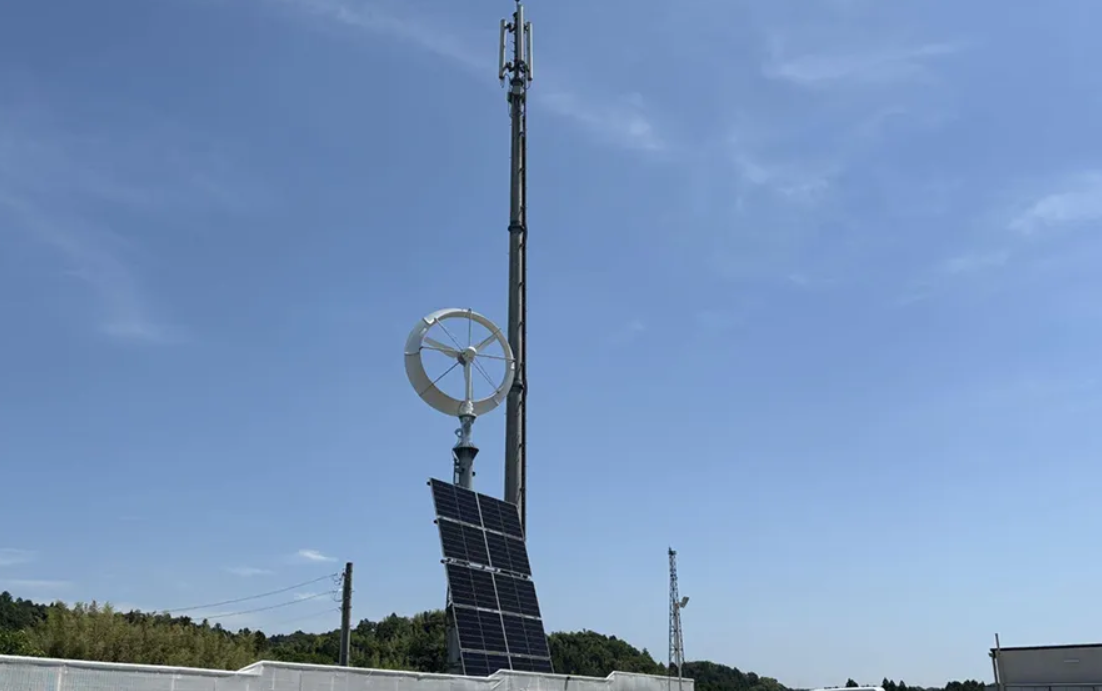
SoftBank Group is testing AI-powered mobile base stations powered by solar panels and a 3 kW wind turbine to reduce energy consumption while maintaining service quality. The system stores excess energy in batteries and can automatically switch to the electricity grid if necessary.

January 16, 2026
Emiliano Bellini

Japanese investment holding company Softbank Group is testing a new type of mobile base station that generates a significant portion of its electricity from solar and wind energy.

The pilot system will be installed at one of the company’s facilities in Ichihara City, Chiba Prefecture. It uses artificial intelligence (AI) to dynamically manage the station’s ‘sleep’ mode, reducing energy consumption during periods of low communications traffic, while maintaining service quality.

The installation combines conventional solar panels with a 3 kW lens wind turbine. The turbine is equipped with a diffuser that efficiently captures and accelerates the wind, allowing high power even at low speeds of approximately 3 m/s. According to SoftBank, the system’s compact design also makes it suitable for deployment on remote islands and mountainous areas.

The power generated by the system is stored in batteries, which power the base station when generation is low. If the battery level drops below a preset threshold, the station automatically switches to the commercial grid to ensure uninterrupted operation.

“By analyzing human flows and communication traffic with AI, we evaluate target cells while maintaining communication quality,” SoftBank said in a statement. “Base station sleep control is performed under the assumption that traffic in the target cell is handled by surrounding stations without causing congestion.”

See also  Solar Powered Data Centers (2025)

Previously, stable service during sleep mode required surrounding base stations to be in the same building and oriented in the same direction, with strict conditions to determine the target cells. SoftBank said AI analytics now enables a broader selection of cells without compromising communication quality. The company expects this to expand the number of target cells in sleep mode from about 14,000 to about 24,000.

SoftBank plans to expand testing of the wind and solar base stations in the coming months.

It recently announced a new four-year project focusing on high-energy-density battery technology and high-efficiency solar cells for high-altitude long-duration platform station aircraft (HAPS).

This content is copyrighted and may not be reused. If you would like to collaborate with us and reuse some of our content, please contact: editors@pv-magazine.com.

Popular content

Source link

AIcontrolled base powered Softbank solarwind Station testing
Share. Facebook Twitter Pinterest LinkedIn Tumblr Email
solarenergy
  • Website

Related Posts

Fraunhofer ISE develops colored film technology for patterned solar panels

April 23, 2026

Inside PV Manufacturing: Belga Solar’s module factory in Belgium

April 23, 2026

No evidence that PFAS leaks from solar panels, research shows

April 22, 2026
Leave A Reply Cancel Reply

Don't Miss
News

CES installs rooftop solar at a truck dealer in Leicester

By solarenergyDecember 11, 20250

UK commercial renewable energy services provider CES has completed a 475 kW solar PV system…

During the day charging of electric vehicles, the acceptance of photovoltaïschens further expands – PV Magazine International

February 20, 2025

Energy traders on Enverus get access to weather data from Climavision

October 23, 2025

Fronius Gen24 approved for use with BYD batteries in California

March 10, 2025
Stay In Touch
  • Facebook
  • Twitter
  • Pinterest
  • Instagram
  • YouTube
  • Vimeo
Our Picks

Why the UK solar industry needs to own its safety story

April 23, 2026

Fraunhofer ISE develops colored film technology for patterned solar panels

April 23, 2026

Thermoacoustic heat pumps are on the verge of commercial breakthrough – SPE

April 23, 2026

The federal court has halted Trump administration orders that hinder solar and wind energy development

April 23, 2026
Our Picks

Why the UK solar industry needs to own its safety story

April 23, 2026

Fraunhofer ISE develops colored film technology for patterned solar panels

April 23, 2026

Thermoacoustic heat pumps are on the verge of commercial breakthrough – SPE

April 23, 2026
About
About

Stay updated with the latest in solar energy. Discover innovations, trends, policies, and market insights driving the future of sustainable power worldwide.

Subscribe to Updates

Get the latest creative news and updates about Solar industry directly in your inbox!

Facebook X (Twitter) Instagram Pinterest
  • Contact
  • Privacy Policy
  • Terms & Conditions
© 2026 Tsolarenergynews.co - All rights reserved.

Type above and press Enter to search. Press Esc to cancel.