

The cell was fabricated using a novel interfacial phase equilibrium strategy that suppressed uncontrollable migration of metal ions. The device achieved an exceptionally high open-circuit voltage of more than 600 mV at a band gap of 1.10 eV.
The Chinese Academy of Sciences (CAS) has manufactured a kesterite (CZTSSe) solar cell that achieved a world record energy conversion efficiency of 15.45% and a certified efficiency of 15.04%.
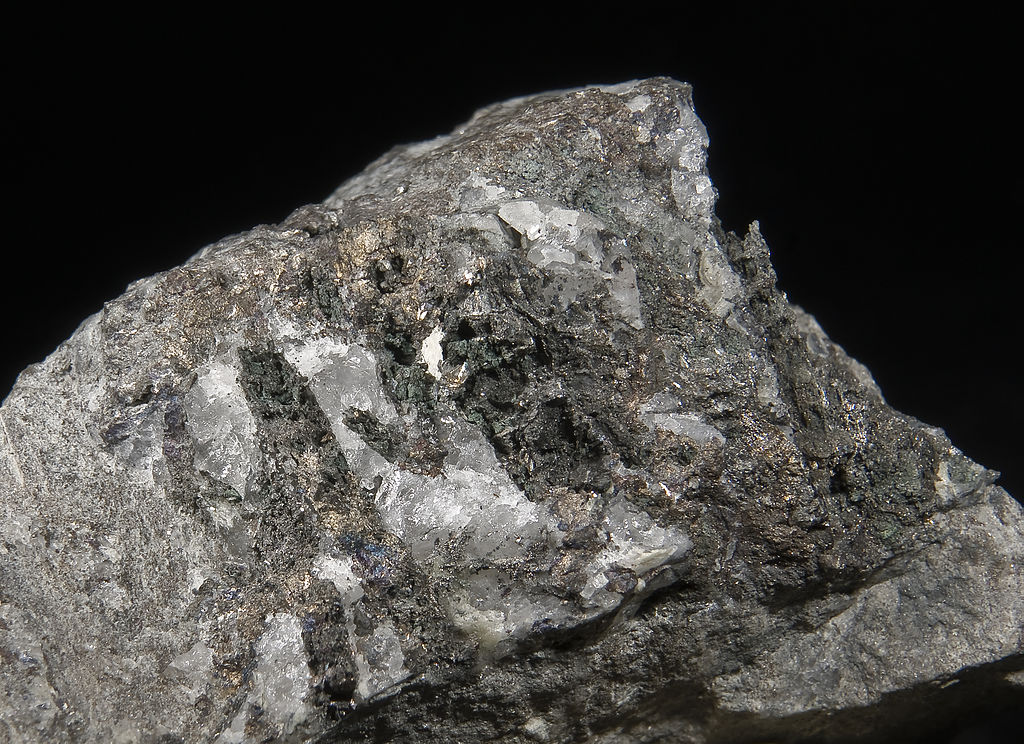
Kesterite is one of the most promising candidates for a light-absorbing material for potential use in lower-cost thin-film solar cells. Kesterites include common elements such as copper, tin, zinc and selenium. Unlike CIGS connections, no supply bottlenecks are expected in the future. However, Kesterite is still less efficient than CIGS in mass production.
Before this latest result, the world record for kesterite cells stood at 14.2%, achieved for laboratory-scale devices by the same CAS in June 2024.
The researchers tackled a persistent problem with CZTSSe devices: uncontrollable migration of metal ions. This happens when mobile ions, including copper, tin and zinc, switch positions within the lattice, creating defects that act as recombination centers and reduce efficiency. Under an electric field, these ions can migrate to interfaces or grain boundaries, causing hysteresis in the current-voltage behavior and gradual performance degradation. Migrating ions can also react with other layers, creating secondary phases that compromise long-term stability and reliability.
To address this, the scientists proposed a new strategy based on interfacial phase equilibrium. They developed an interphase based on a lithium tin sulfide compound known as Li₂SnS₃ (LTS), which alters the migration paths of cations and controls the movement of mobile ions. This interphase compensates for differences in copper and tin migration, reduces antisite defects and stabilizes the cell junction, improving both the efficiency and long-term reliability of the device.
“The LTS interphase selectively encapsulates CTSSe intermediate grains, becoming the rate-limiting layer for ion migration,” the academics explained. “The difference in migration barriers between zinc and tin is reduced from 0.41 eV in CTSSe to 0.21 eV in the LTS interphase. By slowing the reaction kinetics, the LTS interphase enables more controlled grain growth, promoting the formation of larger and more uniform grains. This significantly reduces deep defects and improves overall crystalline quality.”
Tested under standard lighting conditions, the cell achieved an efficiency of 15.45% and an open circuit voltage of over 600 mV at a band gap of 1.10 eV, which is described as an exceptionally high voltage for kesterite. An undisclosed third party has certified an efficiency of 15.04%.
“This breakthrough has led to the creation of an intellectual property portfolio covering the entire LTS process, providing theoretical and technical support for the industrialization of CZTSSe solar cells,” the research team said.
This content is copyrighted and may not be reused. If you would like to collaborate with us and reuse some of our content, please contact: editors@pv-magazine.com.
