

The next generation of solar cell is completely recyclable
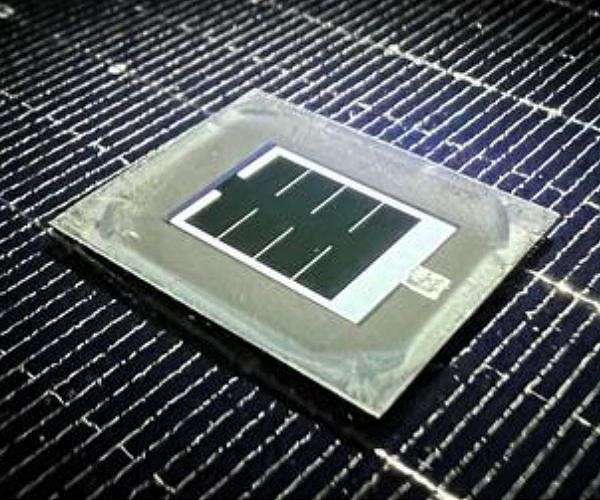
Researchers from Linkoping University have developed a pioneering method to recycle all components of a perovskite solar cell without the use of dangerous solvents. The process ensures that recycled solar cells retain the same efficiency as new manufactured, which marks an important step in the direction of sustainable solar technology. The primary solvent used in this method is water and offers an environmentally friendly alternative to conventional recycling processes.
With the expected increase in the demand for electricity due to the expansion of artificial intelligence and the electrification of transport, sustainable energy sources must advance to prevent further impact on the environment. Solar energy has long been considered a viable renewable energy source, in which panels on silicone dominate the market for more than three decades. However, as silicon panels of the first generation reach the end of their lifespan, waste management is a major challenge.
“There is currently no effective technology to be able to handle the waste of Silicon solar panels. As a result, outdated panels are thrown away on landfills, which leads to huge amounts of electronic waste,” explained Xun Xiao, postdoctoral researcher at Linkoping University’s Department of Physics, Chemistry and Biology (IFM).
Feng Gao, a professor in Opto -electronics in the same department, emphasized the importance of considering recycling in emerging solar technologies: “If we don’t have a recycling solution, we may not have to introduce new solar cell technologies on the market.”
Perovskiet solar cells are among the most promising alternatives for the next generation of solar technology. These cells are lightweight, flexible and transparent, making them suitable for different surfaces, including windows. Moreover, they achieve energy-conversion efficiency of a maximum of 25 percent, competing solar cells based on silicone.
“Many companies would like to commercialize perovskiet solar cells, but we must ensure that they do not contribute to dump waste. Our project introduces a method in which all components of perovskiet solar cells can be reused without sacrificing performance,” said Niansheng XU, postdoctor researcher at Linkoping University .
Although perovskiet solar cells have a shorter lifespan than their silicon counterparts, it is crucial to develop an efficient and environmentally friendly recycling process. In addition, these cells contain a small amount of lead, essential for a high efficiency, but which require proper handling to prevent environmental pollution. In many parts of the world, manufacturers are legally obliged to recycle solar cells.
Existing recycling methods for perovskite solar cells often rely on dimethylformamide, a toxic and possibly carcinogenic solvent that is often found in paint removers. The Linkoping researchers have devised an innovative approach that replaces this dangerous chemical with water, which considerably reduces the environmental risks. This method makes it possible to restore high -quality perovskiet materials from the water -based solution.
“We can restore any component-the glass lids, electrodes, perovskiet layers and loading transport layers,” Xiao added.
The next investigation phase will focus on scaling up this process for industrial applications. In the long term, scientists are of the opinion that solar cells from Perovskiet will become an important part of the global energy transition, in particular evolving as a supportive infrastructure and supply chains.
Research report:Watery recycling of perovskiet photovoltaic
