

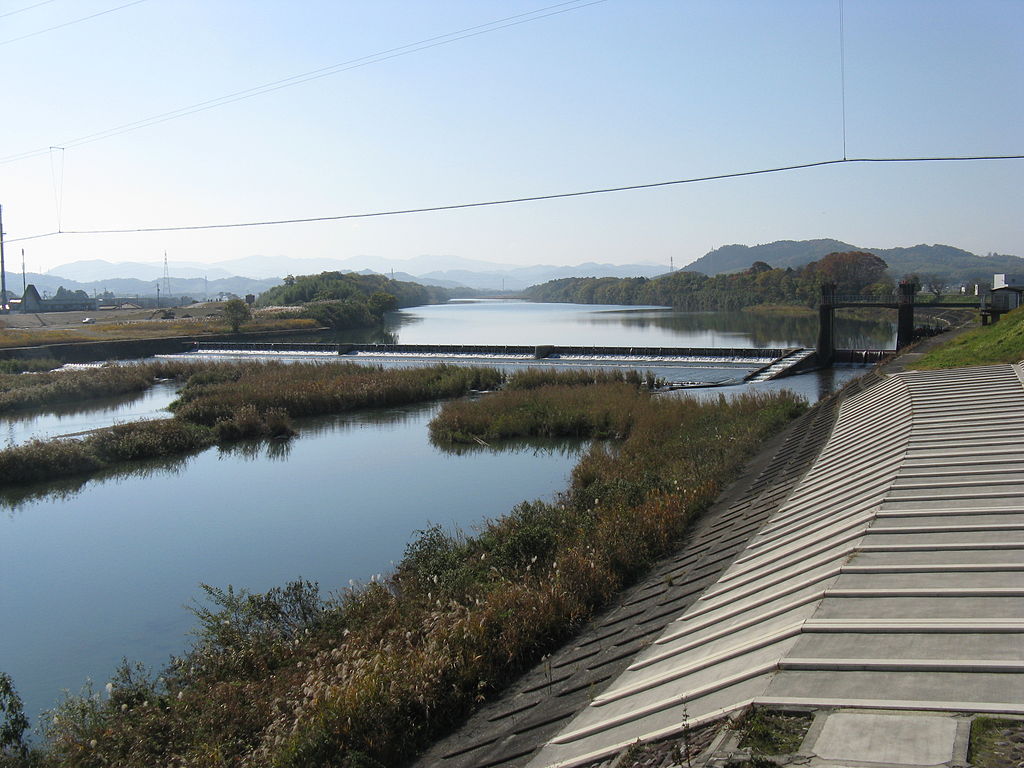
Researchers in Japan spent a decade analyzing the warming effect of photovoltaic systems on the land surface temperature around the Kushida River basin and found that this value increased by an average of 2.85 degrees Celsius.
Scientists from Japan’s Kyushu University studied the trends in land surface temperature (LST) resulting from the installation of PVs around the Kushida River Basin, which is located in central Japan and consists of three regions: Matsusaka City, Taki Town and Meiwa Town . They used convolutional neural networks (CNN) to identify PVs from aerial photographs and remote sensing to measure temperature changes.
“We designed a composite analytical model based on remote sensing technology and machine learning to quantify the impact of solar panels on the thermal environment in areas with different geographical characteristics,” they explained. “This model identifies ground-mounted PV using publicly available data and studies the spatial distribution of different types of PV and the changes in surrounding surface temperature.”
The area surveyed by the researchers covers a total area of 767.62 km2, with forests and agricultural land accounting for approximately 81% of the total area. They used high-resolution aerial photographs to identify the PV installations and collected statistical results to determine the PV distribution. They also performed monthly surface temperature analyzes using Landsat series satellite data on Google Earth Engine (GEE) and assessed surface temperature changes at PV installation sites over different seasons and years, for 10 years.
Furthermore, using statistical tools and models such as Geographically Weighted Regression (GWR) and Ordinary Least Squares (OLS) models, spatial factors influencing temperature changes were identified. The analysis took into account factors such as normalized difference vegetation index (NDVI), building density (BLD), population (POP), distance to rivers (WA) and altitude (DEM), as well as the size of the PV installations.
“The study found that the LST around PV, which was built between 2013 and 2023, increased by an average of 2.85 C,” the research team said. “From a seasonal perspective, the effect of LSTD is more pronounced (+3.35 C) in the warmer months and more moderate (+2.5 C) in the colder months.”
By quantifying the effect of the different factors on PV area warming, the scientists found that height, building density, NDVI, PV area and distance to waterways have the highest correlation with LST differences in suburban factory areas. Of all factors, altitude had the greatest effect.
“Suburban areas, where each independent variable showed the highest correlation in GWR, are the industrial areas of the city, indicating that industrial production is more likely to influence the temperature-raising effect of PV compared to other urban activities,” they noted. “At the same time, it was confirmed that the topography and green cover within the basin are closely related to the temperature increase effect. Installing PV in highlands and regions with high vegetation cover tends to mitigate its impact on LST.”
Their findings were presented in “Evaluation of the environmental thermal changes due to photovoltaic installations in the Kushida River basin, Japan”, published in the magazine Environmental and sustainability indicators.
This content is copyrighted and may not be reused. If you would like to collaborate with us and reuse some of our content, please contact: editors@pv-magazine.com.
