Researchers from the Australian National University (ANU), Canberra, have shown that their response to a power grid emergency in February 2024 provides evidence that electric vehicles (EVs) equipped with vehicle-to-grid (V2G) systems can disrupt the power grid strengthen during power outages. a worldwide first for such research.
A five-year ANU Canberra study, led by ANU Battery Storage and Grid Integration Program Senior Research Fellow Dr. Bjorn Sturmberg, has shown that electric vehicles can provide backup to the electricity grid in an emergency.
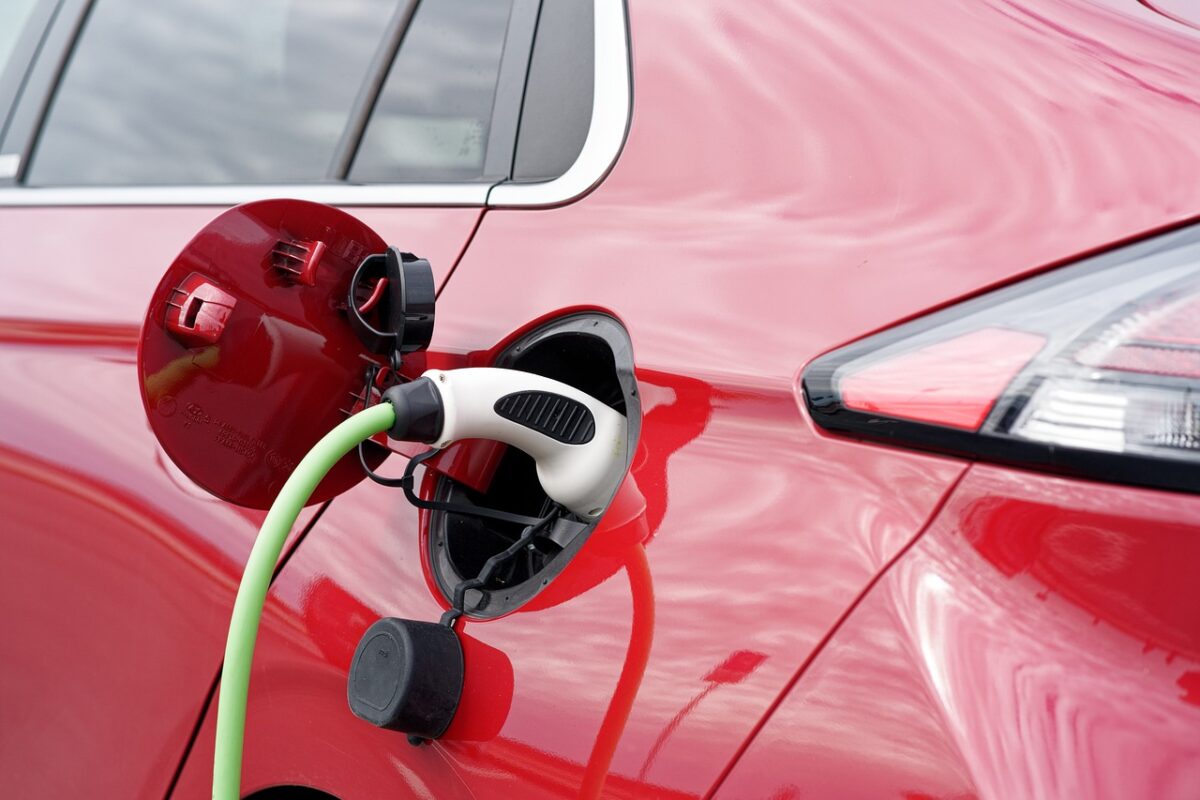
Sixteen electric vehicles in the study supplied power back to the electricity grid during a major outage in February 2024. The fault provided the right conditions for the first practical test of electric vehicles and chargers.
“We now know A vehicle-to-grid system can work because they are essentially large batteries on wheels,” says Sturmberg.
“We have a fleet of 51 electric vehicles across Canberra that monitor the grid when connected and can quickly inject short bursts of power to rebalance the system if the national grid loses power rapidly.”
During the day heavy storms in Melbourne as of February 2024, 16 Nissan Leaf EVs were connected to properties in Canberra, with four actively charging and 12 remaining idle.
“These vehicles quickly stopped charging and began feeding power into the grid within seconds, as they were programmed to do,” Sturmberg said. “In total they provided 107 kW of support to the national network and to put that into perspective, 105,000 vehicles responding in this way would fully cover the backup needed for the entire country. [the Australian Capital Territory] And [New South Wales] … For context, just under 100,000 electric vehicles were sold in Australia last year.”
Image: Crystal Li Australian National University
Sturmberg said there is still work to be done to balance the growing demand for vehicle charging with the safety of the electrical grid.
“With the number of electric cars on our roads growing rapidly, the electricity grid will not be able to charge everyone at the same time when they get home in the evening,” he said. “In addition, in the event of the February emergency, some vehicles resumed charging by default after supplying power for ten minutes. There would be little cost or inconvenience in these types of situations to delay charging for an hour or two.”
Sturmberg said taking advantage of this opportunity may require an industry adjustment, with EV manufacturers programming their vehicles to stop charging during a grid emergency, with an option for drivers to override emergency charging.
“Stopping charging for just 6,000 vehicles would have kept power on for the 90,000 customers whose power was shut off on February 13,” Sturmberg said. “Our results show that vehicle-to-grid can make a powerful contribution to the security of our energy system, and that all electric vehicles play an important role.”
Sturmberg outlined two paths forward, with the first relating to manufacturers bringing their bi-directional chargers to Australia in the future.
“Or there’s been some exciting research into moving that kind of power electronics and energy management from a charger to the vehicle, and the difference is that you charge with AC charging instead of DC charging and you have a regular charger and connection to can use the car. and it is the car itself that decides whether to import or export power to the grid,” he said.
Sturmberg noted that during an electrical grid emergency, the priority should be to stop vehicle charging, rather than risk households and businesses experiencing power outages.
“In that context, consumer behavioral expectations should also change so that EV owners know that part of EV ownership is knowing that their car will stop charging once every five years due to an energy system emergency,” he said.
This content is copyrighted and may not be reused. If you would like to collaborate with us and reuse some of our content, please contact: editors@pv-magazine.com.
Popular content