New research shows how agrivoltaic systems can reshape soil by altering moisture, temperature and microbial activity, creating heterogeneous zones under and between panels. Good design and management can increase soil health and crop resilience, especially in degraded or arid areas, although long-term effects remain uncertain.
A team of researchers in Indonesia has conducted a comprehensive study on how agrivoltaic systems affect soil properties. It has been shown that these installations not only influence crops and microclimates, but also the fundamental processes that determine soil function and land productivity in the long term.
“Our study resolves seemingly contradictory findings in the literature by showing that soil directly beneath PV panels is generally drier than surrounding areas, with occasional reports of higher moisture due to short monitoring periods, irrigated systems, or moisture accumulation at panel drip lines rather than real conditions below the panel,” said the study’s lead author, Budiman Minasny. pv magazine.
“We reviewed the latest scientific studies examining how solar panels and agrivoltaic systems influence the chemical, biological and physical properties of soil. Literature shows that soils under PV panels typically experience less evaporation, lower soil temperatures and altered moisture dynamics. Panel configuration – such as height, spacing and orientation – creates highly heterogeneous soil conditions, with increased moisture often occurring between panels and along panel drip edges,” he added.
“We also found that while agrivoltaic systems can improve water use efficiency for crops, PV installations can also lead to soil compaction and reduction of soil organic carbon. Shading from panels changes the soil moisture regime and influences the abundance, diversity and activity of soil microbial communities, with cascading effects on the nutrient cycle. In some environments, these changes extend to soil-forming processes, including reduced leaching and the potential accumulation of salts, said Minasny.
Come to the on March 5 Double harvest, double problems: addressing EPC barriers in agrivoltaic system design pv magazine session in English at KEY – The Energy Transition Expo in Rimini.
Experts will share insights on current agricultural voltaic technologies, key design choices and key barriers to standardized, scalable dual-use projects in Europe and Italy, including region-specific EPC issues.
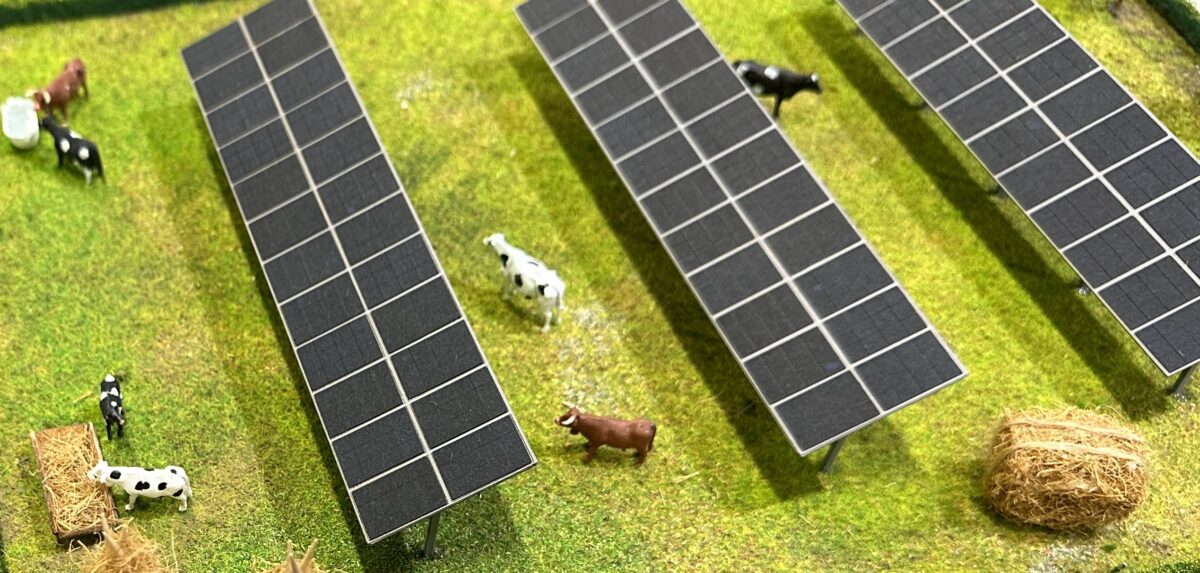
PV panels change local hydrology by intercepting and redistributing rainfall, creating three zones: open areas that receive normal or increased runoff; sheltered areas under panels with less rainfall; and drip lines where concentrated runoff exceeds natural precipitation. These differences affect soil moisture, crop yields and drainage patterns.
The researchers noted that flower meadows and lower-growing plants under panels can boost soil carbon input and microbial biomass. Shade and altered microclimates can also promote benthic fauna, although diversity among panels is sometimes reduced.
The research also showed that redistributed rainfall produces wetter drip zones and drier soils directly beneath the panels. Soils under panels often have less moisture, organic carbon and microbial activity, with higher pH and salinity, while areas between panels maintain higher fertility and better plant growth, highlighting spatial heterogeneity.
In addition, shade was found to reduce soil temperature, evaporation and plant stress in arid areas. Partial shade can even improve photosynthesis and water use efficiency in some crops. Meanwhile, changes in light and soil conditions affect root growth, architecture, and microbial interactions in the rhizosphere, affecting nutrient mobilization, microbial symbiosis, and overall soil biological activity.
The academics also identified design features such as panel height, spacing, orientation and tracking as factors that can significantly impact soil moisture, temperature and biodiversity. These effects can also interact with crop selection, irrigation, tillage and livestock integration to shape microclimate and soil outcomes.
“To ensure that agriculture provides both clean energy and sustainable food production, PV installations must be carefully designed, land management practices adapted and soil conditions continuously monitored,” Minasny concluded. “Although results vary depending on climate, panel configuration, land use history and management strategies, well-designed systems can improve soil health, especially in degraded or arid areas. However, the long-term effects on soil development remain uncertain and require further research.”
The study findings can be found in “Impact of agrivoltaic systems on soil properties and soil formation: an overview”, published in Advances in agronomy.
This content is copyrighted and may not be reused. If you would like to collaborate with us and reuse some of our content, please contact: editors@pv-magazine.com.
Popular content