
Close Menu
  • News
  • Industry
  • Solar Panels
  • Commercial
  • Residential
  • Finance
  • Technology
  • Carbon Credit
  • More
    • Policy
    • Energy Storage
    • Utility
    • Cummunity
What's Hot

A deep learning model tracks the status of the EV battery with high precision

March 6, 2026

Mitsubishi Electric Trane announces new heat pump line for hydronic heating – SPE

March 6, 2026

Origis is developing a 413 MW solar portfolio in West Texas

March 6, 2026
Facebook X (Twitter) Instagram
Solar Energy News
Friday, March 6
  • News
  • Industry
  • Solar Panels
  • Commercial
  • Residential
  • Finance
  • Technology
  • Carbon Credit
  • More
    • Policy
    • Energy Storage
    • Utility
    • Cummunity
Solar Energy News
Home - Policy - Wrong predictions undermine solar energy yields, say Australian researchers – SPE
Policy

Wrong predictions undermine solar energy yields, say Australian researchers – SPE

solarenergyBy solarenergyDecember 13, 2025No Comments3 Mins Read
Facebook Twitter Pinterest LinkedIn Tumblr Email
Share
Facebook Twitter LinkedIn Pinterest Email

Solstice AI says improved forecast accuracy could increase profits in Australia’s utility-scale solar market and reduce costly weather-related volatility for operators and traders.

December 12, 2025
Ev Foley

By pv magazine Australia

Melbourne-based solar energy forecasting company Solstice AI research shows that a 10% improvement in the accuracy of weather and solar energy forecasts would generate an additional profit of AUD38 million ($25 million) per year. solar utility companyand AUD 9.5 billion worldwide.

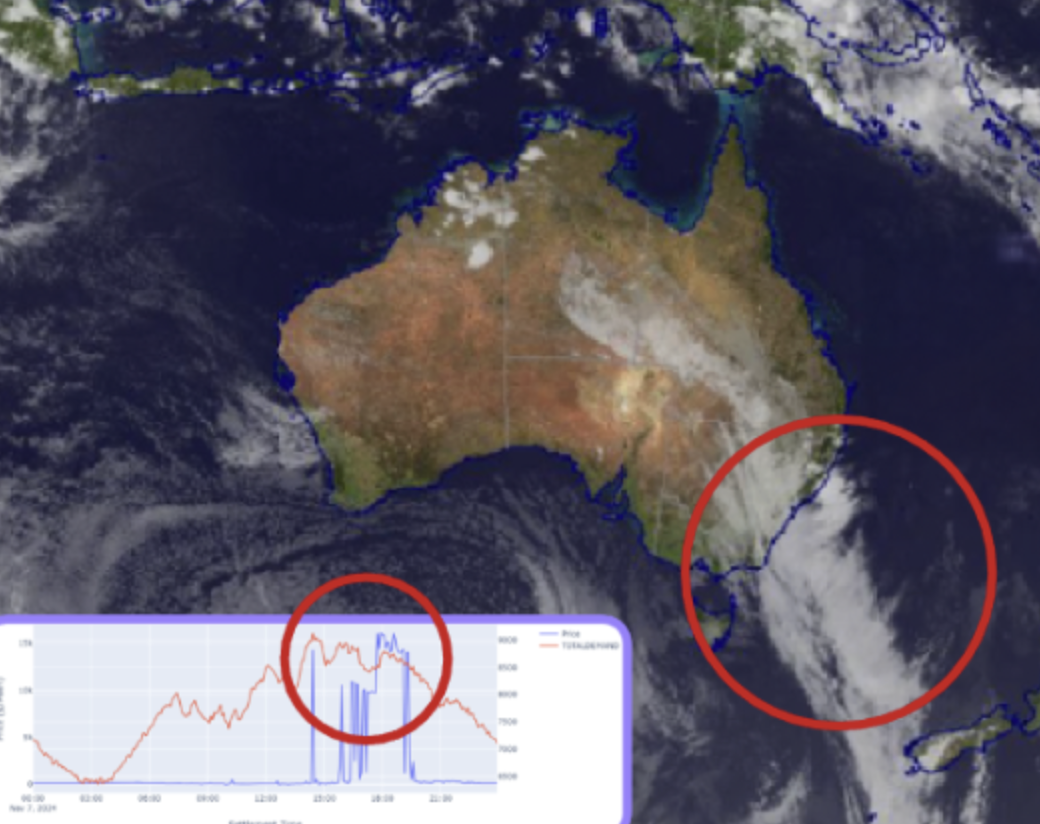
Using artificial intelligence to identify the location, orientation and capacity of rooftop solar panels across vast regions, Solstice AI combines with cloud movement predictions to predict solar energy generation with a high degree of accuracy.

The data can help stakeholders make more accurate price bids, avoid penalties for forecast errors such as Frequency Performance Payments (FPP), maximize revenues, take advantage of price spikes caused by unexpected cloud cover, and manage exposure to market volatility.

Image: Solstice AI

Melbourne University Research Fellow and Solstice AI founder Julian de Hoog said the technology coming to market today could transform solar energy from a variable resource into a predictable and manageable part of the energy system – a fundamental requirement for the transition to renewable energy.

“The financial costs of predicting failure are already in the billions and will reach $80 billion by 2030,” de Hoog said. “All stakeholders in the solar ecosystem can benefit from better forecasting. For solar farms, it is a way to maximize yield and market income. For merchants and gentailers, it is an essential part of managing their portfolio’s exposure to solar energy.”

See also  China to host a 1.6 GW vanadium flow battery production complex – SPE

“Market operators such as the Australian Energy Market Operator (AEMO) must balance supply and demand, and virtual power plants (VPPs) must aggregate and coordinate thousands of rooftop systems,” de Hoog said.

The findings of the Solstice AI study were published in The Great Solar Opportunity: How new technologies and data-driven approaches are unlocking the next era of solar energy report, which outlines how a 10% improvement in weather/solar forecasts could increase utility-scale solar farm revenues by an additional $38 million per year.

The report notes that many stakeholders use general cloud cover forecasts but do not have a deeper understanding of cloud height, thickness, temperature, movement, moisture content and how these interact with local geography, which can have a major impact on solar energy generation.

“Major regions across Australia have ~10% more solar capacity than recorded in official government databases such as Consumer Energy Resources (CER) and distributed energy resources (DER) – used by AEMO, the National Electricity Market (NEM) and energy traders, among others,” the report said.

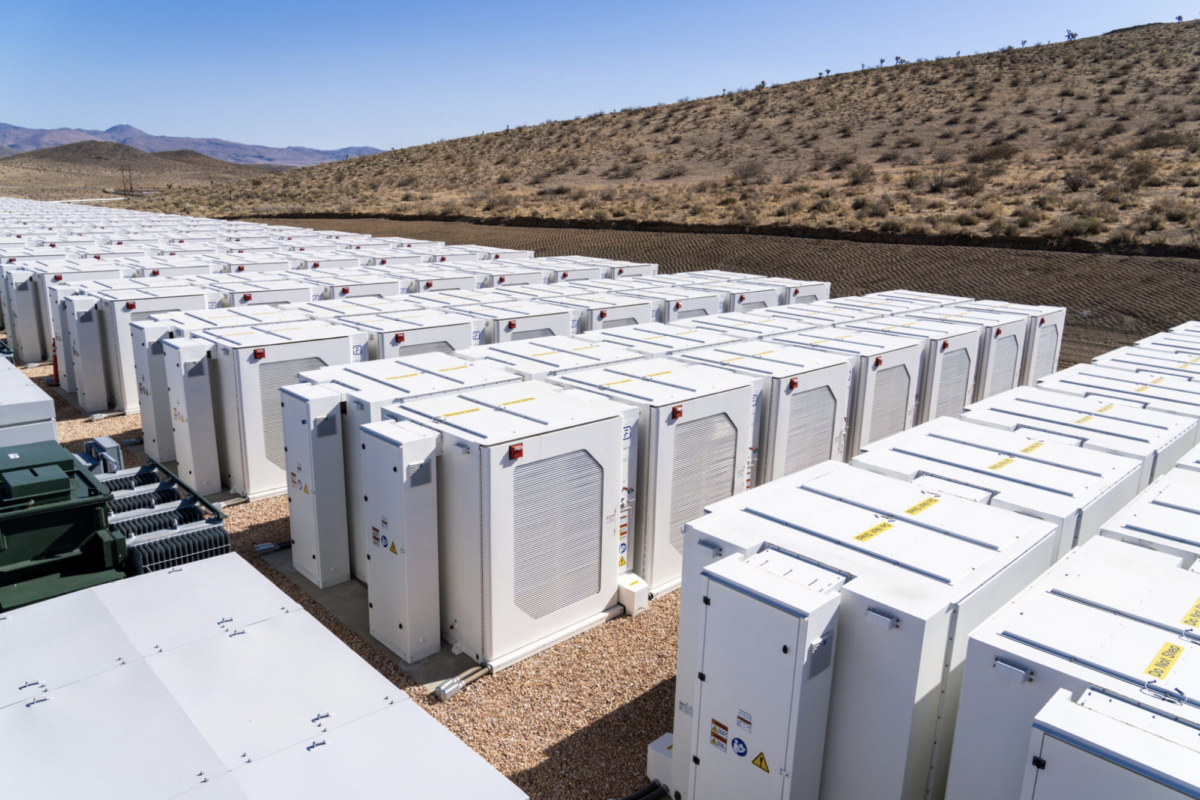
Battery energy storage systems generate a disproportionate share of revenue during extreme price spikes and in 2024 generated 36% of their annual revenue in just 2% of the year.

“The annual value of improved solar forecasts for these providers is hundreds of millions of dollars each year,” the report said.

Solstice AI said it believes the global solar forecasting potential will be approximately $80 billion per year or more by 2030, which will grow rapidly in line with expectations. accelerate the global growth of solar energy.

See also  The Czech Republic changes the threshold of electricity generation - PV Magazine International

This content is copyrighted and may not be reused. If you would like to collaborate with us and reuse some of our content, please contact: editors@pv-magazine.com.

Popular content
Source link

Australian Energy predictions researchers solar SPE undermine wrong yields
Share. Facebook Twitter Pinterest LinkedIn Tumblr Email
solarenergy
  • Website

Related Posts

Mitsubishi Electric Trane announces new heat pump line for hydronic heating – SPE

March 6, 2026

Origis is developing a 413 MW solar portfolio in West Texas

March 6, 2026

New Jersey expands state community solar program by 3 GW

March 6, 2026
Leave A Reply Cancel Reply

Don't Miss
Energy Storage

Breakthrough in high-density storage paves the way for thousands of locations

By solarenergyJanuary 27, 20260

RheEnergise has reached full capacity at its first High-Density Hydro energy storage project near Plymouth,…

Rising gas costs push European electricity prices higher – PV Magazine International

February 15, 2025

What homeowners should know if tax credits end up for the American solar panel – PV Magazine International

July 14, 2025

Estimating the degradation of PV systems that are used for water pumps

May 30, 2025
Stay In Touch
  • Facebook
  • Twitter
  • Pinterest
  • Instagram
  • YouTube
  • Vimeo
Our Picks

A deep learning model tracks the status of the EV battery with high precision

March 6, 2026

Mitsubishi Electric Trane announces new heat pump line for hydronic heating – SPE

March 6, 2026

Origis is developing a 413 MW solar portfolio in West Texas

March 6, 2026

New Jersey expands state community solar program by 3 GW

March 6, 2026
Our Picks

A deep learning model tracks the status of the EV battery with high precision

March 6, 2026

Mitsubishi Electric Trane announces new heat pump line for hydronic heating – SPE

March 6, 2026

Origis is developing a 413 MW solar portfolio in West Texas

March 6, 2026
About
About

Stay updated with the latest in solar energy. Discover innovations, trends, policies, and market insights driving the future of sustainable power worldwide.

Subscribe to Updates

Get the latest creative news and updates about Solar industry directly in your inbox!

Facebook X (Twitter) Instagram Pinterest
  • Contact
  • Privacy Policy
  • Terms & Conditions
© 2026 Tsolarenergynews.co - All rights reserved.

Type above and press Enter to search. Press Esc to cancel.