

More than half of the energy used in Britain came from domestic sources by 2025, with renewable energy accounting for more than a third of Britain’s total electricity supply.
This is evident from the latest data from the Energy and Climate Intelligence Unit (ECIU), which showed that the UK’s electricity supply would be “increasingly British” by 2025, due to a greater reliance on domestically generated electricity, as opposed to importing fossil fuels from abroad.
The ECIU reports that domestic electricity generation accounted for 53% of the UK energy mix in 2025, up from 51% the year before. Imported energy accounted for 46% of UK energy consumption in 2025, which is in stark contrast to 2013 where imported energy accounted for 67% of UK energy consumption; this 2025 figure reflects the lowest percentage of overseas energy imports since 2004.
This push for greater use of domestic energy generation comes amid continued uncertainty in global energy prices, especially in the context of the current conflict in the Middle East. Yesterday, a report from Ember showed that greater use of domestic renewable energy sources is particularly needed had saved around £7 million a day since the start of the conflictand greater investment in renewable energy in the UK will help further protect the country from volatile oil and gas prices.
“The UK was particularly hard hit by the last gas crisis because as a country we have been so dependent on gas for both generating electricity and heating homes,” explains ECIU head of analysis Dr Simon Cran-McGreehin. “As the current crisis shows, we are not out of the woods yet and the electricity grid requires investment, but renewables are already helping to insulate and gradually decouple from the volatile global oil and gas system.”
In fact, the ECIU report concludes that without domestic renewable energy in Britain by 2025, the country would have been reliant on gas imports to meet energy demand, to the extent that imported gas would have provided 73% of the country’s primary energy supply. According to figures from Ember, the price of generating electricity with gas in Britain almost doubled between February 28 and March 20 this year, due to the conflict in the Middle East.
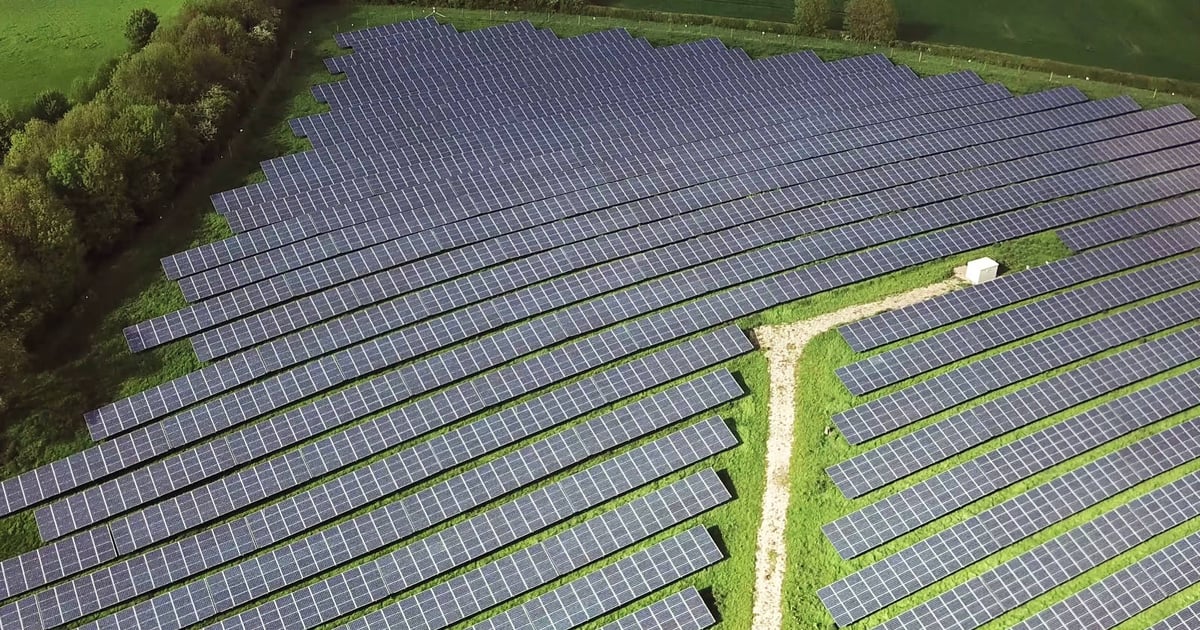
The ECIU notes that “fuel-free renewables”, such as solar and wind, accounted for 36.6% of the UK’s energy supply in 2025, up from 34.1% the year before, marking the second year in a row that renewables made up a larger share of UK energy consumption than fossil fuels. Solar energy in particular saw particular growth between 2024 and 2025, with solar energy revenue increasing by 37%, the most of any technology type.
“The point that many politicians forget to mention when they talk about it is that achieving net-zero emissions is not only scientifically the only way to stop climate change, but it also means gradually moving away from burning oil and gas and the instability for bill payers and companies that created those markets,” Cran-McGreehin said.
