

The Brazilian government has increased the import tax rate on specific lithium-ion batteries from 18% to 25%.
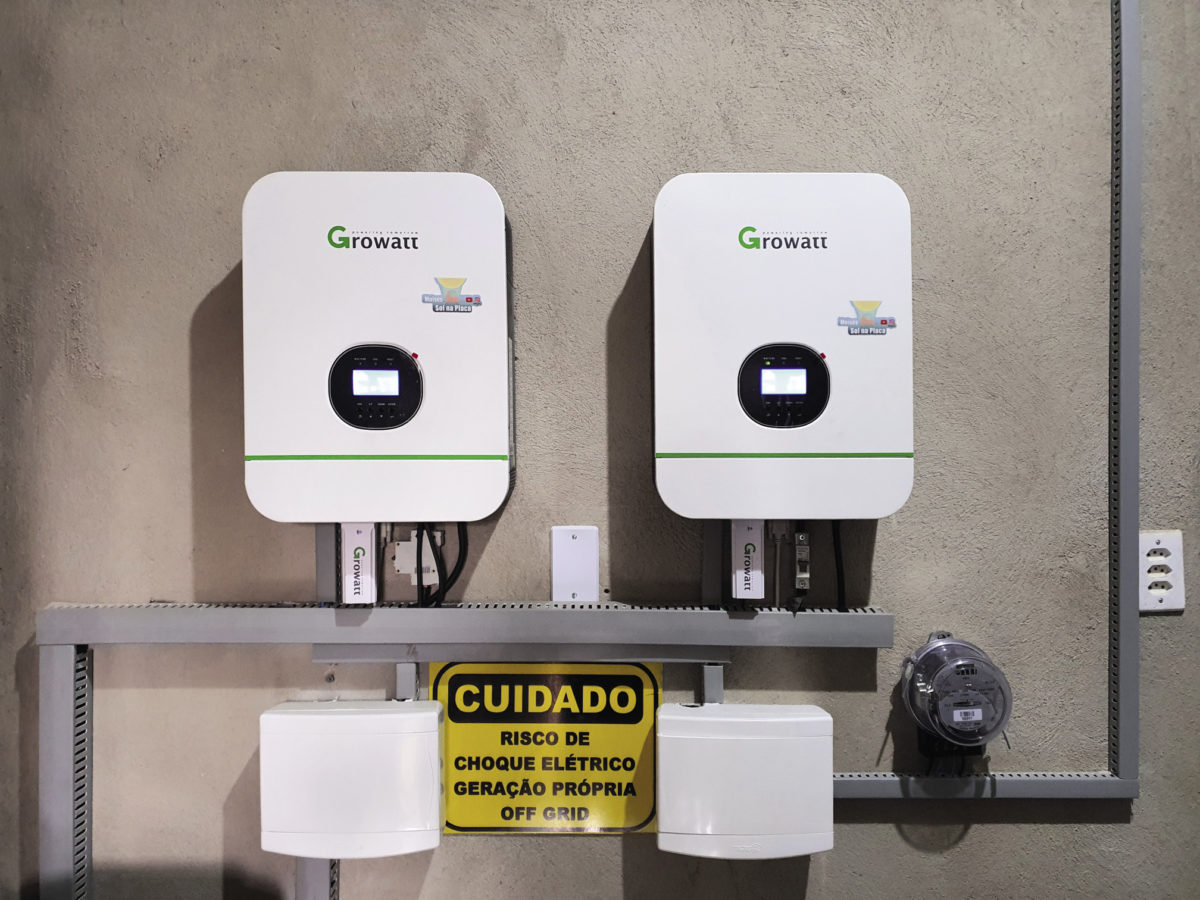
The decision updates the tariff for lithium-ion cells to 25%, valid between May 19, 2026 and May 18, 2027. This tariff applies specifically to 48V lithium iron phosphate (LFP) batteries used in stationary applications for telecommunications base stations and in solar energy systems with a capacity limited to 4,800 W. For other lithium-ion batteries under the same customs classification, the 18% tariff continues to apply.
The change in the tax rate follows a request for a rate increase made by local manufacturer UCB in February 2025, supported by the country’s temporary tariff exemption mechanism, intended to protect sensitive sectors or boost competitiveness. During the public consultation on this issue, UCB’s request received support from companies such as WEG, Enersys and Moura.
Wladimir Janousek, an industry consultant and secretary at the National Institute of Clean Energy (Inel), said pv magazine Brazil that the specific applications affected by the higher tariff represent the majority of current demand for imported batteries in Brazil. However, he warned that the increase in import taxes will not necessarily result in greater competitiveness for the local industry.
“Inel has positioned itself against it during the public consultation opened at the request of UCB, as it understands that this increase is a repeat of a mistake we also saw happening with regard to photovoltaic modules,” Janousek said.
This targeted measure follows a broader import tax increase introduced a few months ago in February that affected other types of battery classifications in addition to capital goods and communications technologies, adjusting overall rates for various energy storage components to between 16% and 20%.
This content is copyrighted and may not be reused. If you would like to collaborate with us and reuse some of our content, please contact: editors@pv-magazine.com.
Popular content

