

I believe all industries benefit from diverse teams of skilled employees, but this is especially true for solar and storage. The industry is global, evolving rapidly and teams need flexibility to identify and respond to opportunities. A unified group can easily reinforce shared assumptions and continue to operate in old patterns, even as the electricity system itself changes rapidly.
Technology, markets and policies are evolving rapidly, while global electricity consumption continues to grow at an extraordinary pace. This is an industry where diverse teams are particularly suited to solving challenges because they bring different perspectives, experiences, and ways of thinking to the conversation.
A changing industry, but not yet in balance
When I joined the solar industry in 2010, it was still very male-dominated. Most meetings consisted of male engineers and male investors. However, over time I started to see more women entering the industry, and I started to build a stronger network among women across the industry.
Still, progress can feel uneven. I remember arriving at Smarter E on a shuttle bus from the airport a few years ago, and out of a completely full bus, only five passengers were women. It made me think about the dynamics that still exist within our sector. Are men simply more likely to attend trade shows? Does it depend on the roles companies choose? I honestly don’t know. But I would definitely like to see more women represented in the industry.
Building a career in a new industry
At the same time, I consider myself lucky. Throughout my career, I have largely been spared any obvious systemic barriers. Market research in the field of energy transition was still very new when I entered, which gave me the opportunity to create my own position and build expertise in an emerging field.
Over the years, my managers, both male and female, have valued my skills and actively supported my growth and promotions, even after I became a mother. I have also worked within very diverse teams, often with women in leadership positions, which makes a significant difference in shaping workplace culture and expectations.
S&P Global has been a supporter of DEI initiatives for years. One example that stands out to me is the company policy that allows both women and men to take a minimum of six months of paid maternity or paternity leave. What I find especially encouraging is that fathers actually take that leave. Policy is important, but culture is just as important.
Recognizing the “eclipse” moments
One of the most important leadership lessons I have learned is that women should not cave in situations where they could be overshadowed by a man. There are still times when I’m about to say something in public, and a man decides he has something more important to say.
Sometimes you can continue to speak firmly, or an experienced moderator will deliberately bring the conversation back to you. Other times you have to adapt to the situation and deal with it later, or just let it pass. But these moments are important to recognize because they still determine whose voices are heard.
As a leader and moderator, I pay close attention to these “eclipse” situations. When I notice a woman being interrupted or overlooked, I intentionally bring the word back to her because I trust she has something relevant and valuable to contribute. Leaders must remain vigilant because these dynamics can happen very subtly and very quickly.
The power of inclusive leadership
Another experience that shaped my career was working remotely. In 2013, S&P Global closed its Barcelona office, and I decided to stay there and work remotely. At the time, I honestly thought this decision could limit my career development. Instead, my male manager believed in me and recognized the value of my contribution. That trust changed everything.
From there I started managing people and was promoted several times. It reinforced my belief that inclusive environments are not just about formal policies. They are also built by leaders who recognize talent, trust people’s capabilities and create opportunities for them to grow.
Advice for the next generation
For young women entering the solar and renewable energy industries today, my message is simple: welcome to a dynamic and exciting industry.
First look to the future. This industry is evolving incredibly quickly, and by learning new expertise quickly you can create your own position, whether it’s within a large company, a smaller organization or even your own business.
Second, when you receive a job offer, appreciate yourself. In all the interviews I’ve conducted, I’ve noticed that only men consistently question the salary they’re offered. This often allows them to secure a higher starting salary. And that starting point is important because it affects your future salary trajectory over time.
So when you receive an offer, remember that you have nothing to lose by asking for more.
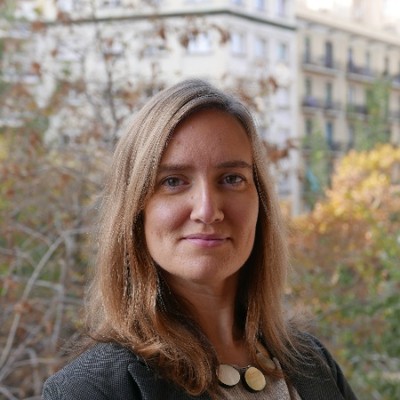
Josefin Berg is Associate Director for Renewable Energy Markets at S&P Global Energy, where she covers trends and business strategies in the renewable energy market. Her areas of focus include IPP, developer and EPC strategies, the demand for renewable energy sources in emerging markets and the role of renewable energy sources in the energy generation mix. With more than 16 years of experience in the solar industry, Berg reports on renewable energy markets and trends and regularly speaks at industry events.
Interested in participating Josefin Berg and other female market leaders and experts at Women in Solar+ Europe? More information: www.wiseu.network
