

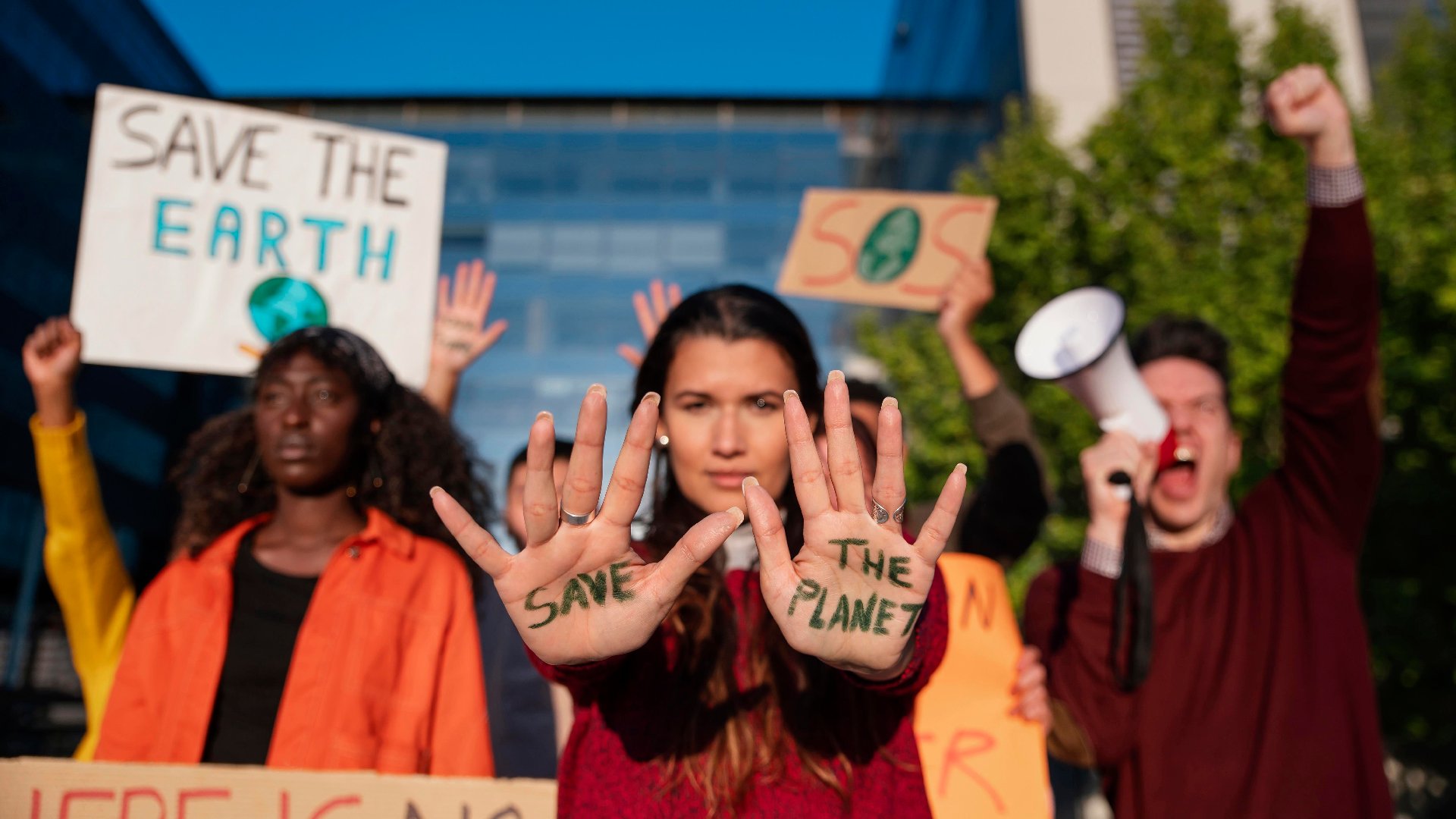
As the energy of Climate Week NYC 2025 settles, it’s clear that the conversation around climate action has fundamentally shifted. This year, the focus was less on distant pledges and more on the tangible, on-the-ground action needed to propel us toward a sustainable future. The theme, “Power On,” was a fitting backdrop for a week characterized by a sense of grounded optimism and a collective drive to accelerate the implementation of climate solutions. For you, the sustainability professional, this signals a pivotal moment—an opportunity to translate ambition into measurable impact. At Carbon Credit Capital, we’ve distilled the key trends into seven actionable takeaways to guide your strategy in the year ahead.
1. From Pledges to Progress: The Era of Implementation is Here
You’ve likely felt the ground shift beneath you; the era of grand, long-term pledges is decisively giving way to a more pragmatic focus on execution. At Climate Week NYC 2025, the conversations were dominated by the “how” rather than the “what.” This move from ambition to agility is a direct response to escalating pressures like rising costs and extreme weather events. As Simon Stiell, the UN Climate Change Executive Secretary, stated during the week, “This new era of climate action must be about bringing our process closer to the real economy: accelerating implementation and spreading the colossal benefits of climate action to billions more people.” For your organization, this means the spotlight is now firmly on your ability to demonstrate credible progress. The sustainability agenda has intensified, demanding immediate action. Your stakeholders are no longer satisfied with promises; they want to see the building blocks of a sustainable future being laid today. Your role is to champion initiatives that deliver real-world results, proving that your commitment is a core part of your operational strategy.
2. The Bottom Line is Green: Making the Undeniable Business Case for Climate Action
You are no longer just a sustainability professional; you are a key driver of your company’s competitiveness and resilience. A major takeaway from Climate Week was the resounding message that sustainability and financial value creation are intrinsically linked. The economics are compelling, as UN Secretary-General António Guterres highlighted in a special address, noting that in the last ten years, projected global temperature rise has dropped from four degrees Celsius to less than three because of the Paris Agreement. He emphasized, “The science compels climate action. So does the economics.” For you, this means framing your initiatives in the language of business. How does your strategy enhance the bottom line, mitigate risk, and build resilience? As one financial institution noted, a systems-based approach is needed to assess the trade-offs of investments, such as how a dam might provide clean energy but harm local ecosystems. This is your opportunity to collaborate with finance and strategy teams, embedding sustainability metrics into the core of your business planning to unlock greater investment and scale your impact.
3. The AI Paradox: Navigating the Opportunities and Challenges of a Powerful Tool
You can’t ignore the conversation around artificial intelligence. AI was a dominant and complex theme, presenting both immense opportunities and significant challenges. On one hand, AI can be a powerful force multiplier; as one executive from Trane Technologies noted, their AI platform can make HVAC systems up to 25% more efficient, saving more power than all data centers currently consume. On the other hand, the explosive growth of AI is driving a surge in energy demand. Simon Stiell of the UNFCCC acknowledged this duality, stating, “It can also be a game-changer. So we now need to blunt its dangerous edges, sharpen its catalytic ones, and put it astutely to work.” He echoed the Secretary-General’s call for major AI platforms to be powered by renewables. Your role is to be a discerning and strategic adopter of this technology, asking how you can leverage AI to accelerate sustainability while minimizing its own environmental footprint. This requires a dual focus on harnessing AI for climate solutions while advocating for the clean energy needed to power the technological revolution.
4. Nature Takes Center Stage: The Growing Recognition of Biodiversity’s Value
For too long, the conversations around climate and nature have been siloed. This year marked a significant step in breaking down those barriers. You now have a stronger platform to advocate for nature-based solutions. The business case for nature conservation was prominent, with a growing understanding that we cannot address the climate crisis without also addressing ecosystem degradation. This shift presents a powerful opportunity for you to integrate nature into your strategy. This could involve investing in nature-based carbon credits, implementing regenerative agriculture, or supporting conservation. By championing the value of nature, you can create a more holistic and impactful sustainability program.
5. Supply Chain Decarbonization: The Power of Collaborative Action
You know that a significant portion of your organization’s environmental impact lies within your supply chain. The good news is that you’re not alone in tackling this challenge. Climate Week highlighted a growing trend of collaboration to decarbonize supply chains. Companies are increasingly recognizing that they cannot achieve their climate goals in isolation. This has led to innovative partnerships designed to support suppliers in their transition. For you, this is a call to engage your suppliers as partners. Are you providing them with the tools, resources, and incentives they need to reduce their emissions? This could involve offering preferential financing, co-investing in efficiency upgrades, or providing technical expertise. By fostering a culture of collaboration, you can create a ripple effect of positive change that extends far beyond your direct operations.
6. The Future is Now: Amplifying the Voices of Youth and Innovation
We are part of a movement that is being increasingly shaped by the energy and ingenuity of young leaders and innovators. Climate Week NYC 2025 showcased the powerful intersection of youth-led activism and cutting-edge innovation. These are not side conversations; they are central to how we will navigate the climate crisis. In the words of the iconic primatologist Dame Jane Goodall, speaking via satellite at an event, “It’s more important than ever that we should have hope.” She pointed to the intellect of youth as a primary reason for her own hope.Your role is to be a champion for these emerging voices and ideas within your organization. How can you create opportunities for young professionals to contribute to your strategy? How can you foster a culture of innovation that embraces new materials and circular business models? By embracing this intergenerational and cross-sectoral approach, you can help your organization stay at the forefront of the climate action movement, ensuring that the voices of youth are not just heard but integrated into policy and decision-making.
7. Navigating the Political Landscape: The Enduring Importance of Corporate Leadership
You are operating in a complex and often contradictory political landscape. The contrast between proactive business commitments and the more hesitant or obstructive stances of some governments was a palpable tension. This reality underscores the critical importance of your role as a corporate leader. In the face of political headwinds, the private sector has a unique responsibility to drive progress. Your organization’s voluntary commitments and investments are more important than ever. This is a moment to be bold, to demonstrate that climate action is not dependent on political cycles but is a fundamental business imperative. By continuing to invest in sustainability, you are not only mitigating risk and creating value but also sending a powerful signal to policymakers that the transition to a low-carbon economy is both necessary and inevitable.
The conversations at Climate Week NYC 2025 have set the stage for a new chapter in the climate action story—one defined by implementation, innovation, and collaboration. As a sustainability professional, you are at the heart of this narrative. The challenges are significant, but so too are the opportunities. By embracing these key takeaways, you can help your organization not just navigate the complexities of the climate crisis but emerge as a leader in the transition to a more sustainable and prosperous future. To learn more about how Carbon Credit Capital can support you on this journey, visit us at https://carboncreditcapital.com.
Sources
- https://www.theconsumergoodsforum.com/blog/2025/09/30/rethinking-sustainability-at-nycw-from-ambition-to-agility
- https://unfccc.int/news/un-climate-chief-at-ny-climate-week-defining-the-new-era-of-climate-action-getting-behind-paris-and
- https://unsdg.un.org/latest/announcements/un-secretary-generals-remarks-opening-high-level-special-event-climate-action
- https://www.energypolicy.columbia.edu/reflections-from-2025-ny-climate-week/
- https://www.forbes.com/sites/fresh-take/2025/09/24/dr-jane-goodalls-take-on-sustainability-in-trying-times-have-courage
- https://www.youtube.com/watch?v=8fB8ND02aak
- https://www.theguardian.com/environment/2025/sep/24/world-leaders-united-nations-climate-agenda
