
Close Menu
  • News
  • Industry
  • Solar Panels
  • Commercial
  • Residential
  • Finance
  • Technology
  • Carbon Credit
  • More
    • Policy
    • Energy Storage
    • Utility
    • Cummunity
What's Hot

EVs equipped with vehicle-integrated PV can cover up to 80% of their electricity needs

May 23, 2026

Brazil is not meeting its battery storage potential – SPE

May 23, 2026

Offshore versus ground-mounted PV – SPE

May 23, 2026
Facebook X (Twitter) Instagram
Solar Energy News
Saturday, May 23
  • News
  • Industry
  • Solar Panels
  • Commercial
  • Residential
  • Finance
  • Technology
  • Carbon Credit
  • More
    • Policy
    • Energy Storage
    • Utility
    • Cummunity
Solar Energy News
Home - Solar Industry - EVs equipped with vehicle-integrated PV can cover up to 80% of their electricity needs
Solar Industry

EVs equipped with vehicle-integrated PV can cover up to 80% of their electricity needs

solarenergyBy solarenergyMay 23, 2026No Comments3 Mins Read
Facebook Twitter Pinterest LinkedIn Tumblr Email
Share
Facebook Twitter LinkedIn Pinterest Email

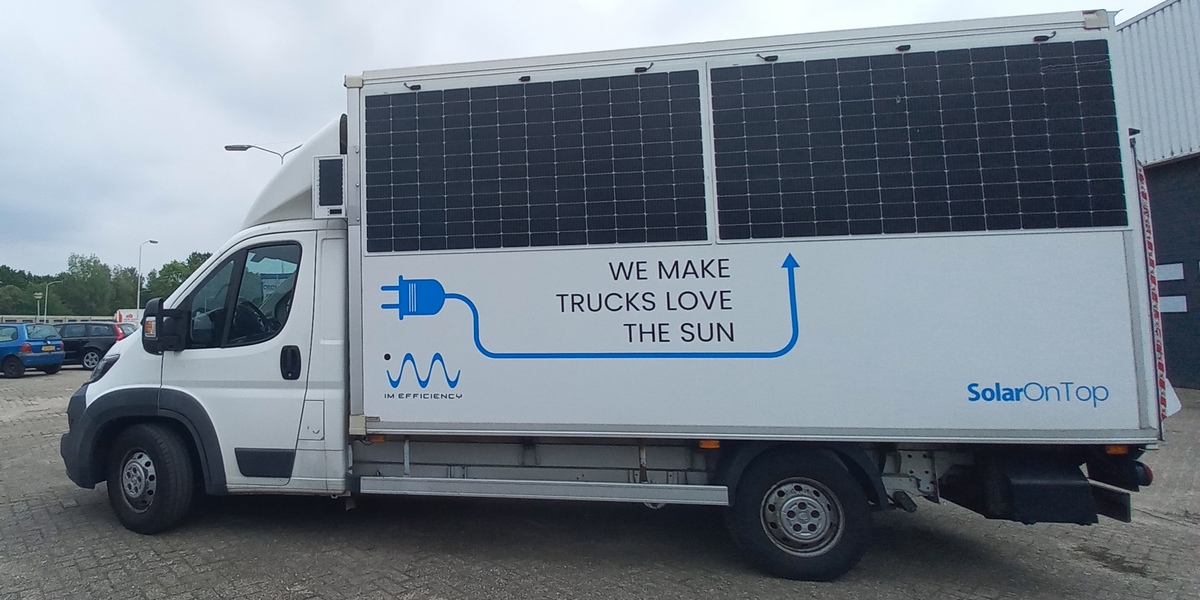
A research project led by Fraunhofer Institute for Solar Energy Systems ISE has shown that vehicle-integrated solar photovoltaics (VIPV) can significantly reduce pressure on the electricity grid. The concept is particularly relevant to the logistics sector, where trucks require large amounts of electricity for cooling, heating and auxiliary systems, while also providing extensive roof space for PV integration.

May 20, 2026
Ralph Diermann

By pv magazine Germany

A research project led by Germany Fraunhofer Institute for Solar Energy Systems ISE (Fraunhofer ISE) has shown that integrating solar photovoltaics into vehicle roofs, hoods and side panels – a concept known as vehicle-integrated solar photovoltaics (VIPV) – could significantly reduce pressure on the electricity grid.

The researchers found that passenger cars in Central Europe could generate up to 55% of their annual electricity demand from on-board solar energy, assuming relatively low annual mileage and large roof areas, such as those of SUVs. In Southern Europe this share could rise to 80%. This approach could reduce charging costs and reduce the need for external charging.

“The study analyzed data from 23 different vehicle types – ranging from compact city cars to heavy trucks – and combined detailed vehicle and driving profiles with Meteosat satellite data, as well as meteorological data from Amsterdam and Madrid,” says Christian Braun, scientist and project officer at Fraunhofer ISE. “To achieve this, the vehicles are equipped with sensors and measurement data over 1.3 million kilometers driven have been evaluated.”

Using simulation models, the research team estimated that electricity demand from the European grid could decrease by 15.6 TWh by 2030 if all new vehicles sold between 2024 and 2030 were equipped with VIPV systems.

See also  Vertical roof PV used in Spain with East West Orientation

“Electrification alone is not enough. We need innovations that structurally reduce energy demand. VIPV makes a contribution in this area,” says Lenneke Slooff-Hoek, Solarmoves project manager at TNO.

The researchers said the logistics sector could benefit most from the technology because vans, trucks and trailers combine large roof areas with high electricity demands for cooling, heating and auxiliary systems. According to the project results, VIPV can increase the daily driving range of electric trucks by up to 15%.

The study found that truck trailers equipped with rooftop PV can generate up to 55 kWh per day during the summer months. If solar panels are also integrated into the side walls, the daily yield can increase to between 90 kWh and 110 kWh, enough to fully power cooling or hydraulic systems.

The researchers also said VIPV could reduce diesel consumption in conventional trucks by providing power for air conditioning, heating and auxiliary systems. According to the project team, the resulting fuel savings could allow VIPV investments to pay for themselves in less than two years.

Fraunhofer ISE carried out the research project in collaboration with the Dutch TNO, Sono engines, IM efficiency And Light yearunder mandate of the European Commission.

This content is copyrighted and may not be reused. If you would like to collaborate with us and reuse some of our content, please contact: editors@pv-magazine.com.

Popular content

Source link

cover electricity equipped EVs vehicleintegrated
Share. Facebook Twitter Pinterest LinkedIn Tumblr Email
solarenergy
  • Website

Related Posts

Fujiyama Power will set up a 1.2 GW TOPCon solar cell manufacturing facility in India

May 23, 2026

Europe creates a map to locate available capacity in electricity networks – SPE

May 23, 2026

California Senate passes plug-in solar bill

May 23, 2026
Leave A Reply Cancel Reply

Don't Miss
Policy

Philippines complete the first MW scale Floating Solar Array-PV Magazine International

By solarenergyAugust 10, 20250

The Philippines have completed its first megawatt scale floating solar array, an installation of 4.99…

Morocco signs agreement for 30,000-ton polysilicon production plant

November 25, 2025

Pace Digitek secures 250 MW of solar energy and 1.1 GWh of storage in India – SPE

February 12, 2026

Improving the LCOE of PV-powered hydrogen via reciprocating engines – SPE

May 16, 2024
Stay In Touch
  • Facebook
  • Twitter
  • Pinterest
  • Instagram
  • YouTube
  • Vimeo
Our Picks

EVs equipped with vehicle-integrated PV can cover up to 80% of their electricity needs

May 23, 2026

Brazil is not meeting its battery storage potential – SPE

May 23, 2026

Offshore versus ground-mounted PV – SPE

May 23, 2026

Fujiyama Power will set up a 1.2 GW TOPCon solar cell manufacturing facility in India

May 23, 2026
Our Picks

EVs equipped with vehicle-integrated PV can cover up to 80% of their electricity needs

May 23, 2026

Brazil is not meeting its battery storage potential – SPE

May 23, 2026

Offshore versus ground-mounted PV – SPE

May 23, 2026
About
About

Stay updated with the latest in solar energy. Discover innovations, trends, policies, and market insights driving the future of sustainable power worldwide.

Subscribe to Updates

Get the latest creative news and updates about Solar industry directly in your inbox!

Facebook X (Twitter) Instagram Pinterest
  • Contact
  • Privacy Policy
  • Terms & Conditions
© 2026 Tsolarenergynews.co - All rights reserved.

Type above and press Enter to search. Press Esc to cancel.