

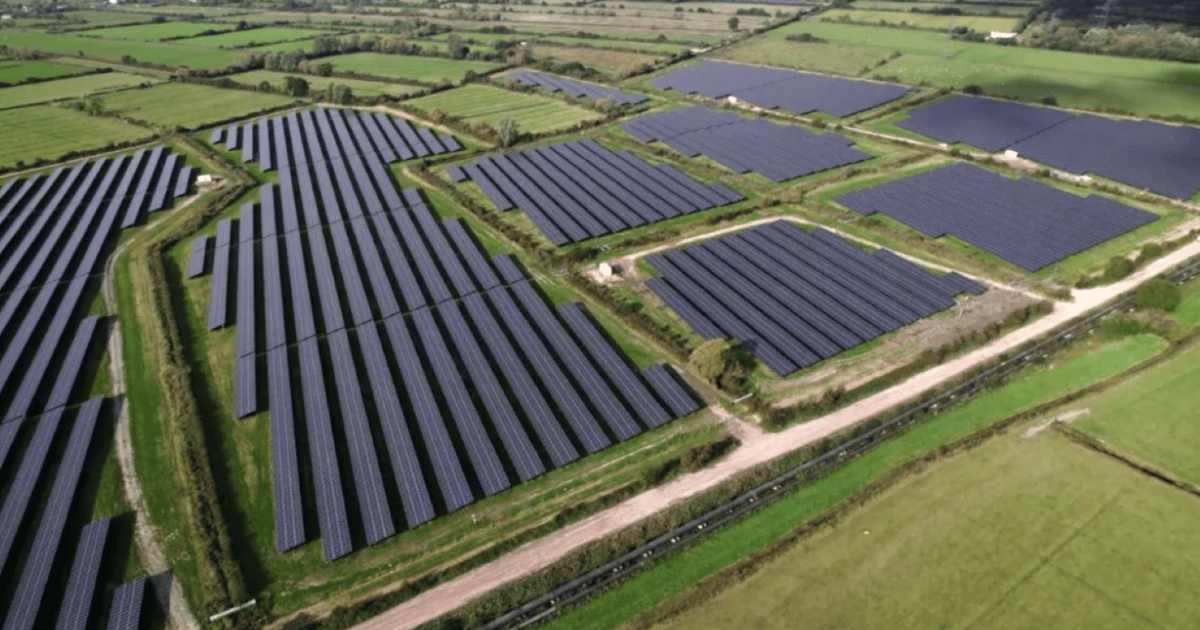
NextEnergy Solar Fund (NESF) is for sale, after years of low share prices and low net asset value (NAV).
The company’s board is seeking expressions of interest from potential buyers “who understand and appreciate the full potential of the company.” NESF is a UK-focused solar energy and energy storage investment fund.
Following a strategic review launched last year, NESF said a sale would be “in the best interests of shareholders”. The company has a discounted NAV compared to what it says is the real value of its assets, in addition to a reduced share price.
In December it attributed falling asset values to “macroeconomic uncertainty”, although the Association of Investment Companies said in February that widespread NAV discounts “reveal poor investor sentiment towards renewables” but also “make it impossible for trusts to raise cash, grow and upgrade their portfolios”.
The Gore Street Energy Storage Fund has also recorded a sharply reduced NAV, down to 37%, and so on “persistent underperformance” played a role in the company’s decision to do so sell some of its UK energy storage assets.
In March, the NextEnergy Solar Fund initiated a “reset” to expand its share of energy storage assets to 30% of gross asset value and sell 120MW of solar PV assets. Energy storage assets have become more desirable in mature renewable energy markets in recent years; As the expansion of renewable energy generation from solar and wind power has lowered energy prices and put pressure on electricity grids, energy storage assets offer a potential solution to these problems.
In December 2025, Ross Grier, chief investment officer of NextEnergy Capital, NESF’s parent organization, said: “The renewable energy investment company industry has faced significant pressure, with macroeconomic uncertainty, persistently high interest rates, asset manager consolidations and redemptions, rising long-term government bond yields, political instability and falling energy prices contributing to significant discounting among listed funds. NESF has not been immune to these pressures.”
