

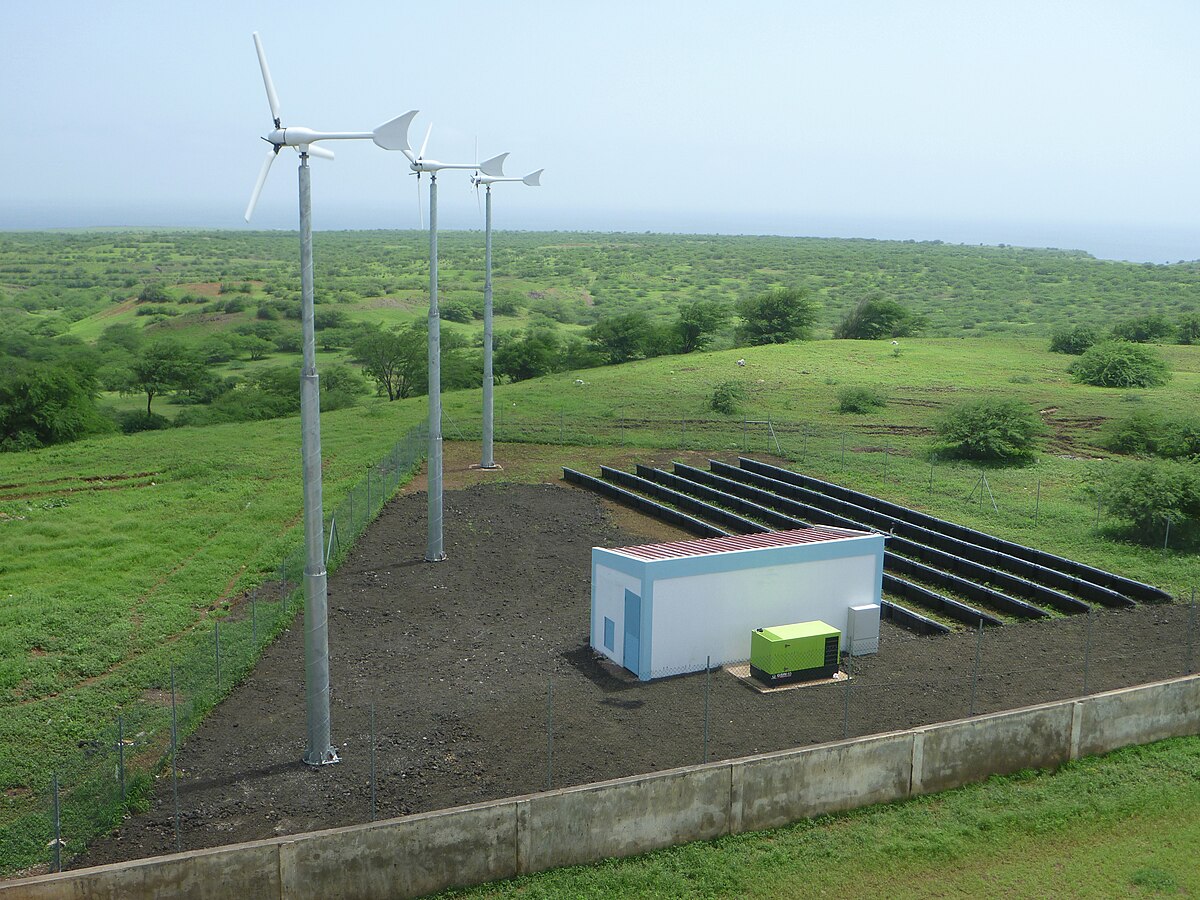
A French-Moroccan research group has developed a two-stage hierarchical techno-economic model to optimize AC multi-bus microgrids in remote areas. This microgrid configuration is more complex than that of standalone systems, but offers several advantages in terms of cost efficiency and energy reliability.
A group of researchers led by Hassan 2 University in Morocco has proposed a new method to develop and build the so-called multi-bus microgrids, which have a more complex structure compared to conventional standalone microgrids.
“Solar and storage offer several advantages in the multi-microgrid architecture,” the study’s corresponding author, Ayoub Chriftold PV magazine. “Our study has shown that the integration of PV and battery storage in the multiple microgrid (MMG) configuration improves both cost efficiency and energy reliability, by reducing dependence on fossil-based backup and grid imports, thereby significantly reducing operating costs.”
Chrif also explained that sharing solar energy between adjacent microgrids allows excess PV power from one community to supply another facing a temporary shortage, minimizing curtailment and improving renewable use. “Additionally, collective storage – where batteries are coordinated across the network – ensures optimal energy balancing, peak shaving and improved system resilience,” he continued.
The proposed multi-microgrid (MMG) framework was presented in the paper “Techno-economic sizing and multi-objective energy management of AC multi-bus microgrids for improved reliability and cost-efficiency: application to small villages in Morocco” Published in Energy conversion and management x. It was conceived as a tool Peer-to-peer (P2P) energy exchange and coordinated dispatch of distributed resources through a hierarchical energy management system.
The scientists described an MMG as a microgrid with multiple interconnected nodes, where each node had a local load, generation sources or energy storage, allowing localized energy management. “These multi-bus microgrids improve the flexibility and resilience of energy supply within a single system,” they stated.
Image: Hassan 2 University, Energy Conversion and Management
The Two-phase hierarchical techno-economic model The optimization of an AC MMG system was formed based on a real case study analyzed for a remote village in the IMLIL region of Morocco.
The first stage is used An improved genetic algorithm (GA) and AI technique to identify the most cost-effective configuration of distributed renewable energy resources within each microgrid. The second phase uses a multi-objective energy management strategy to coordinate the energy exchange between the interconnected MGs and the main grid.
The researchers also conducted a “comprehensive” analysis of both active and reactive power flows in an effort to identify multi-directional energy exchanges between interconnected microgrids to ensure voltage stability, power quality and efficient energy distribution.
Their cost model considered installation and operating costs, as well as external economic factors such as equipment breakdown, inflation, discount rates and interest rates.
They also proposed what they called a Incentive-Demand Response (IDR) scheme to encourage customers to adjust and reduce their consumption during peak periods. Furthermore, they compared the techno-economic performance of standalone MGs and MMGs.
The research group said the proposed modeling showed that a 4.6% reduction in operating costs via peer-to-peer (P2P) energy exchange and grid ratio minimization is possible for the case study with a modified IEEE 5-BUS system. “Results highlight voltage stability, effective battery utilization and resilience in island mode, with 10% cost reduction through demand response,” they stated.
“Morocco has one of the highest solar potentials in the world, with annual irradiance ranging between 1,900 and 2,600 kWh/m²/year and more than 2,800 hours of sunshine per year,” Chrif concluded. “Solar energy therefore plays a central role in the country’s roadmap and in microgrid projects.”
The research group consisted of scientists from France’s Cy Cergy-Paris University and Nantes University.
This content is protected by copyright and may not be reused. If you would like to collaborate with us and reuse some of our content, please contact: editors@pv-magazine.com.
Popular content

