
Close Menu
  • News
  • Industry
  • Solar Panels
  • Commercial
  • Residential
  • Finance
  • Technology
  • Carbon Credit
  • More
    • Policy
    • Energy Storage
    • Utility
    • Cummunity
What's Hot

Dutch solar owners asked to switch off during peak periods to ease the distribution crisis

June 7, 2026

The hydrogen flow: Toyota demonstrates its racing prototype on liquid hydrogen

June 7, 2026

Era of electrification exposing Australia’s weakest link

June 6, 2026
Facebook X (Twitter) Instagram
Solar Energy News
Sunday, June 7
  • News
  • Industry
  • Solar Panels
  • Commercial
  • Residential
  • Finance
  • Technology
  • Carbon Credit
  • More
    • Policy
    • Energy Storage
    • Utility
    • Cummunity
Solar Energy News
Home - Finance - Solar-powered AI data centers possible in two to three years – SPE
Finance

Solar-powered AI data centers possible in two to three years – SPE

solarenergyBy solarenergyJanuary 26, 2026No Comments3 Mins Read
Facebook Twitter Pinterest LinkedIn Tumblr Email
Share
Facebook Twitter LinkedIn Pinterest Email

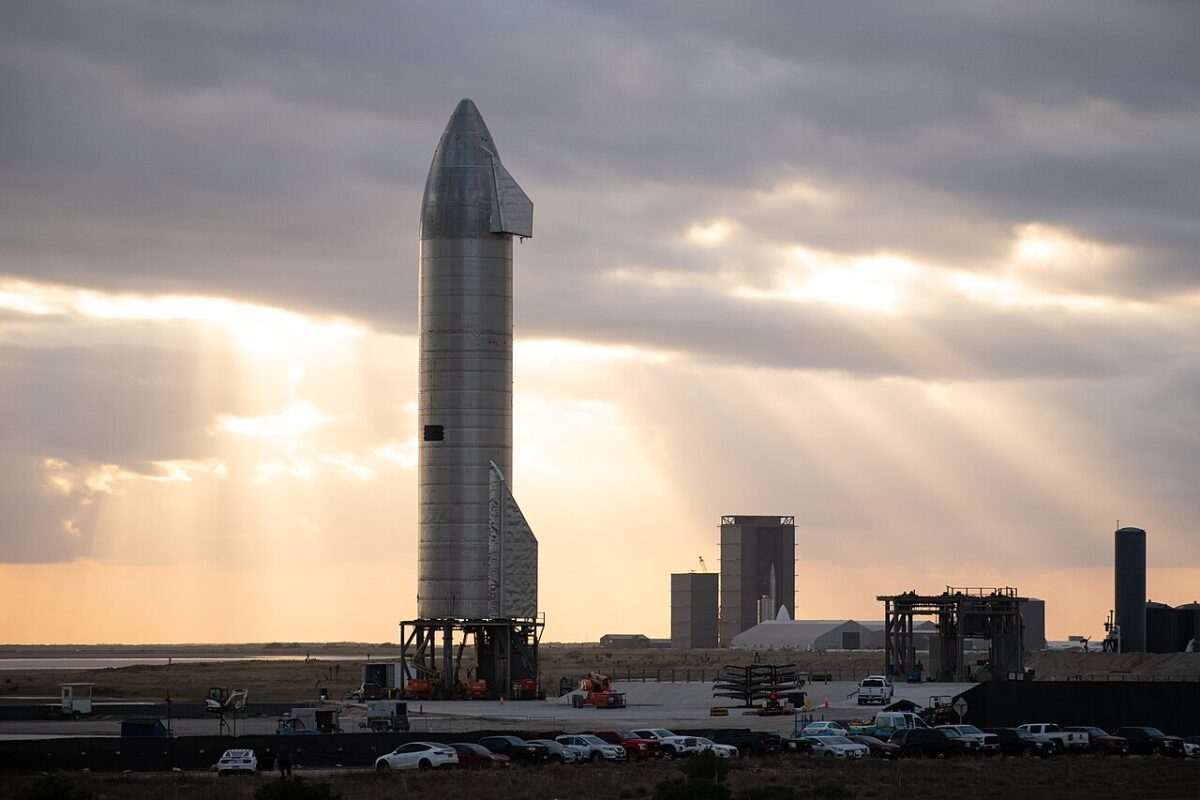
Space-based solar energy could power AI more efficiently than on Earth, with full implementation within two to three years, Elon Musk said last week in Davos, Switzerland. SpaceX’s Starship launch vehicle and its reusable rockets aim to greatly reduce the cost of access to space, enabling solar-powered AI satellites and possibly large-scale extraterrestrial energy infrastructure.

January 26, 2026
Eckhart Gouras

Greenland wasn’t the only frontier market in the spotlight last week at the World Economic Forum (WEF) in Davos, Switzerland. Tesla CEO Elon Musk told Larry Fink, interim WEF co-chairman and CEO of BlackRock, that solar energy could power space-based AI, with full implementation possible within two to three years.

“If you have solar in space, you get five times more effectiveness, maybe even more than that, than solar on the ground,” Musk said. “It’s always sunny, so you have no day-night cycle, seasonality or weather conditions and you get about 30% more energy in space because you don’t have atmospheric attenuation of the energy. The net effect is that each solar panel will use five times more energy in space than on the ground.”

Subscribe to the monthly PV magazine Global Edition

Read the full report of Musk’s solar vision at the WEF in our monthly magazine (world edition).

Subscribe here to secure your monthly copy.

Space also offers excellent thermal conditions, according to Musk.

“It’s a no-brainer to build solar AI data centers in space because, as I said, it’s also very cold in space. If you’re in the shade, it’s very cold in space, 3 degrees Kelvin,” he explained. “So you have solar panels facing the sun and then a radiator facing away from the sun so there’s no sun coming in, so it just cools, it’s a very efficient cooling system. The net effect is that the lowest cost place to put AI will be in space and that will be the case in two to three years, three at the latest.”

See also  UK Price Cap rises 2% for the winter

But how do we get all this stuff into space? This is where Musk’s other major venture, SpaceX, comes into play. SpaceX plans a record public offering in 2026 and is on track to further cut what Musk calls the “cost of access to space.”

“Hopefully this year we can prove the full reusability of Starship, which would be a profound invention because the cost of access to space would drop by a factor of 100 if you achieved full reusability,” Musk said. “That makes the cost of access to space lower than, we think, the cost of freight on airplanes, easily below $100 per pound.”

Starship, the largest rocket ever built, would be used to deploy solar-powered AI infrastructure in space. Ultimately, similar infrastructure could be established on the moon and planets like Mars, especially as smart AI-powered robots become commonplace for building and maintaining these space-based assets. The first step on this roadmap appears to be solar-powered AI satellites.

“One of the things we’ll be doing with SpaceX in a few years is launching solar-powered AI satellites,” Musk said. “Space is really the source of enormous power, and then you don’t have to take up any space on Earth. There’s so much space in space, and you could scale up to eventually, I think, hundreds of terawatts per year.”

This content is copyrighted and may not be reused. If you would like to collaborate with us and reuse some of our content, please contact: editors@pv-magazine.com.

Popular content

Source link

centers data solarpowered SPE years
Share. Facebook Twitter Pinterest LinkedIn Tumblr Email
solarenergy
  • Website

Related Posts

National Grid on AI, data centers and network innovation

June 2, 2026

Pexapark registers 17 European PPAs for 966 MW in April – SPE

May 27, 2026

Saudi Arabia gets first BESS production facility – SPE

May 27, 2026
Leave A Reply Cancel Reply

Don't Miss
Technology

What are distributed denial-of-service attacks and how do they work – SPE

By solarenergyApril 17, 20260

Distributed Denial-of-Service (DDoS) cyber attacks are an important category of cyber threats that target digital…

Fraunhofer is developing contactless method for measuring back-in-contact solar cell-pv Magazine International

May 5, 2025

SunPower is changing the 470W REC panel to the name of its own panel for the US residential market

January 11, 2026

How to integrate solar energy into your rental property

April 25, 2024
Stay In Touch
  • Facebook
  • Twitter
  • Pinterest
  • Instagram
  • YouTube
  • Vimeo
Our Picks

Dutch solar owners asked to switch off during peak periods to ease the distribution crisis

June 7, 2026

The hydrogen flow: Toyota demonstrates its racing prototype on liquid hydrogen

June 7, 2026

Era of electrification exposing Australia’s weakest link

June 6, 2026

‘Come out from behind your screen, our industry is ultimately about people’

June 6, 2026
Our Picks

Dutch solar owners asked to switch off during peak periods to ease the distribution crisis

June 7, 2026

The hydrogen flow: Toyota demonstrates its racing prototype on liquid hydrogen

June 7, 2026

Era of electrification exposing Australia’s weakest link

June 6, 2026
About
About

Stay updated with the latest in solar energy. Discover innovations, trends, policies, and market insights driving the future of sustainable power worldwide.

Subscribe to Updates

Get the latest creative news and updates about Solar industry directly in your inbox!

Facebook X (Twitter) Instagram Pinterest
  • Contact
  • Privacy Policy
  • Terms & Conditions
© 2026 Tsolarenergynews.co - All rights reserved.

Type above and press Enter to search. Press Esc to cancel.