

Britain will reduce household energy bills by cutting green levies, which will cost the Treasury around £2.3 billion.
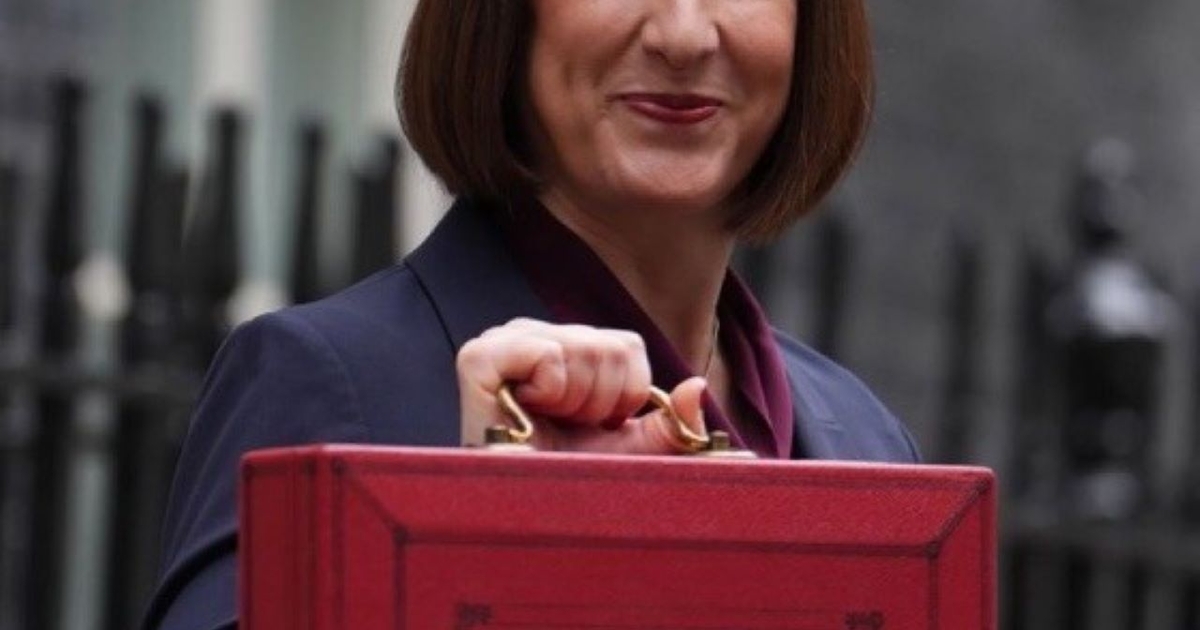
In today’s Autumn Budget 2025 statement at Westminster, Chancellor Rachel Reeves outlined plans to reduce average household energy bills by around £150 by abolishing the Energy Company Obligation (ECO) scheme.
The Office for Budget Responsibility (OBR) Economic and Budget Outlook Report (which was accidentally released before the Budget was announced) states that the Government will also partly pay for the Renewable Energy Obligation Scheme from 2026 to 2029, at a cost of around £2.3 billion.
The RO scheme is a legacy subsidy for sustainable energy generation, with electricity suppliers currently passing on the costs to consumers.
The government will cover 75% of domestic RO until 2029, resulting in lower household energy bills over the next four years.
Commenting on today’s changes, Josie Murdoch, analyst at climate change think tank Ember, said: “By making energy cheaper, the UK government has set a benchmark for navigating the energy transition. Cheaper electricity will not only reduce energy bills for every British household, but also increase the competitiveness of heat pumps and electric vehicles, reducing the national reliance on expensive fossil imports across the economy.”
The announcement comes after energy regulator Ofgem made an announcement unexpected increase in the energy price ceiling from January, which is expected to reach £1,758 annually.
Despite falling wholesale costs, fixed charges and unit rates for electricity have increased, mainly due to policy costs such as the RO and Warm Homes Discount, which suppliers pass on to consumers, and the costs of new infrastructure. According to chief advisor at Cornwall Insight Craig Lowrey, these are “an investment in long-term stability and affordability” to upgrade the UK electricity grid to enable more renewable energy, but the impact on consumers and bill payers is the same.
Money Saving Expert founder Martin Lewis said shifting policy burdens to consumer bills was a “policy perversion”, making electricity more expensive than gas because of policies designed to move people away from fossil fuels.
Last year, Cornwall Insight called on the government to do so abolish policy taxes of energy bills to encourage the adoption of renewable energy and heating. The analyst said levies should be converted into general taxes to reduce “disproportionate” energy costs and spread the cost of infrastructure improvements more evenly.
In a policy recommendation submitted last week, RenewableUK, the trade body for the renewable energy sector, called for the same changes, to “provide much-needed relief to bill payers by ensuring the costs of the energy transition are shared more fairly. Cheaper energy will also make electrification of heat and transport more attractive, which could further reduce bills. It’s a virtuous circle,” said the group’s executive director of policy and engagement, Ana Musat.
Renewable energy generally produces electricity cheaper than gas-fired power stations, but those cost savings have yet to be passed on to consumers.
The Chancellor’s decision to partially pay for domestic RO could go some way to remedying this and support the government’s push for renewables and clean energy.
However, policy costs are not the only factor driving up energy bills. Data from trade union Unite published last month shows that policy levies – or so-called ‘green levies’ – on energy prices will amount to less than a third of the energy sector’s total profits in 2024.
Schemes such as the RO and its replacement, the Contracts for Difference (CfD) scheme, will cost around £9.9 billion in 2024, Unite said. Companies in the energy sector recorded over £30 billion in collective profits. The data suggested that “excessive profiteering” in the energy sector – where profit margins were more than three times the average of the national economy – increased industrial electricity costs by 29% and each British household paid an average of £500 directly into energy companies’ profits.
“The chaos of the current system has resulted in the highest energy bills in Europe,” said Unite general secretary Sharon Graham.
Today’s Chancellor’s changes will have no impact on industrial energy bills. In May, a group of British manufacturers, investors and climate groups wrote a report open letter to Reeves to urge her to abolish policy charges from industrial accounts, which had become a roadblock to decarbonising UK industry.
