
Close Menu
  • News
  • Industry
  • Solar Panels
  • Commercial
  • Residential
  • Finance
  • Technology
  • Carbon Credit
  • More
    • Policy
    • Energy Storage
    • Utility
    • Cummunity
What's Hot

Inside PV Manufacturing: Belga Solar’s module factory in Belgium

April 23, 2026

Solar energy’s rebound effect could increase European electricity demand by 5% by 2050 – SPE

April 23, 2026

Repowering key for Japanese solar assets nears end of feed-in tariff – SPE

April 23, 2026
Facebook X (Twitter) Instagram
Solar Energy News
Thursday, April 23
  • News
  • Industry
  • Solar Panels
  • Commercial
  • Residential
  • Finance
  • Technology
  • Carbon Credit
  • More
    • Policy
    • Energy Storage
    • Utility
    • Cummunity
Solar Energy News
Home - Technology - The world will add 605 GW of new PV capacity by 2025, says IEA – SPE
Technology

The world will add 605 GW of new PV capacity by 2025, says IEA – SPE

solarenergyBy solarenergyApril 22, 2026No Comments3 Mins Read
Facebook Twitter Pinterest LinkedIn Tumblr Email
Share
Facebook Twitter LinkedIn Pinterest Email

According to the latest report from the International Energy Agency, last year’s increase of 600 TWh in solar energy was the largest ever increase from any source in a single year, excluding periods of post-crisis recovery.

April 21, 2026
Patrick Jowett

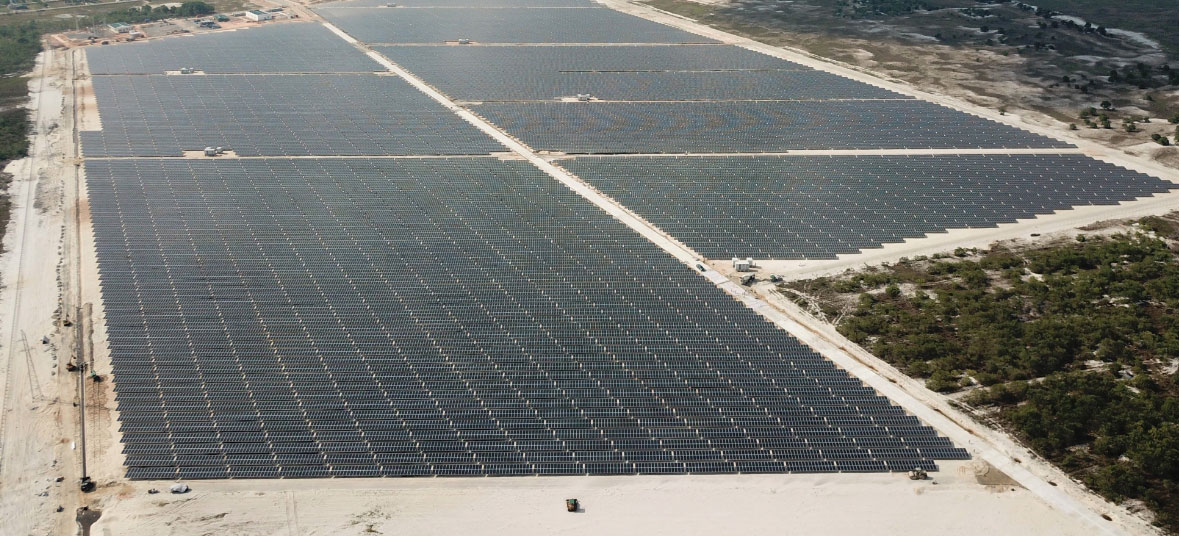
Solar energy generated an additional 600 TWh of electricity in 2025, bringing total generation to around 2,800 TWh, according to the latest report from the International Energy Agency (IEA).

From the agency Global energy overview 2026 says that total solar energy generation in 2025 was more than double that of 2022, bringing solar energy’s share of total global electricity generation to more than 8%.

The IEA adds that the absolute increase in solar power generation in 2025 will be the largest ever observed for any source, excluding years characterized by recoveries from global economic shocks. such as Covid-19.

The global annual increase in renewable capacity reached 800 GW last year, the IEA findings continue, up 16% year-on-year and the 23rd year in a row that renewables set a new expansion record. Solar energy covered 605 GW of new renewable energy capacity, while wind energy accounted for 159 GW and other renewable energy sources accounted for the remaining 33 GW.

Key figures from the IEA report show that overall global energy demand has slowed to 1.3% on an annual basis, just below the average of the previous decade, with slower economic growth, sluggish growth in energy-intensive industries in some regions and lower demand for cooling all contributing to slower demand growth.

Solar energy met more than 25% of the increased demand, marking the first time that a modern renewable source contributed the majority of global energy demand growth, according to the IEA. Low-emission sources, including solar, wind, nuclear, hydropower and other renewable energy sources, contributed nearly 60% to global demand growth.

See also  Private cable legislation could delay residential rooftop PV development in Ireland – SPE

Electricity demand grew by almost 3% year-on-year, which the IEA report said “reaffirms that the world has entered the age of electricity.” The report explains that the increase in electricity demand was driven by a wide range of end uses in construction and industry. It adds that while electricity demand for electric vehicles and data centers increased by 38% and 17% respectively, their share of overall electricity growth remained relatively small.

Elsewhere in the report, the IEA says battery storage is currently the fastest growing energy technology, with 108 GW of new storage capacity deployed last year, a 40% increase from 2024. Lithium iron phosphate batteries now account for about 90% of applications, the report says, compared to a market share of well below 50% five years ago.

About 80% of new battery capacity last year was utility-scale, with the remainder coming from behind-the-meter commercial and residential installations.

The IEA report also notes that the storage life of batteries is gradually increasing. “Although most projects still cluster around two hours, an increasing number of projects can be deployed for four hours or four hours even more so, reflecting the growing value of flexibility in systems with an increasing share of PV,” it explains.

This content is copyrighted and may not be reused. If you would like to collaborate with us and reuse some of our content, please contact: editors@pv-magazine.com.

Popular content
Source link

add capacity IEA SPE World
Share. Facebook Twitter Pinterest LinkedIn Tumblr Email
solarenergy
  • Website

Related Posts

Solar energy’s rebound effect could increase European electricity demand by 5% by 2050 – SPE

April 23, 2026

Repowering key for Japanese solar assets nears end of feed-in tariff – SPE

April 23, 2026

Peru opens complementary services market to support renewable energy sources – SPE

April 23, 2026
Leave A Reply Cancel Reply

Don't Miss
Energy Storage

With TheGrid, real-time renewable energy-activa-checking platform from-PV Magazine is expanding

By solarenergyMarch 19, 20250

The Dutch technology company Withthegrid has expanded the functionality of its flagship Teleport Gateway, in…

Recurrent and Windel get a nod for 400MWh Cumbria BESS

June 4, 2024

Dualsun presents heat pump-compatible residential PVT panels

December 18, 2024

Ground screws solve challenging location problems for utility-scale solar

January 23, 2025
Stay In Touch
  • Facebook
  • Twitter
  • Pinterest
  • Instagram
  • YouTube
  • Vimeo
Our Picks

Inside PV Manufacturing: Belga Solar’s module factory in Belgium

April 23, 2026

Solar energy’s rebound effect could increase European electricity demand by 5% by 2050 – SPE

April 23, 2026

Repowering key for Japanese solar assets nears end of feed-in tariff – SPE

April 23, 2026

Peru opens complementary services market to support renewable energy sources – SPE

April 23, 2026
Our Picks

Inside PV Manufacturing: Belga Solar’s module factory in Belgium

April 23, 2026

Solar energy’s rebound effect could increase European electricity demand by 5% by 2050 – SPE

April 23, 2026

Repowering key for Japanese solar assets nears end of feed-in tariff – SPE

April 23, 2026
About
About

Stay updated with the latest in solar energy. Discover innovations, trends, policies, and market insights driving the future of sustainable power worldwide.

Subscribe to Updates

Get the latest creative news and updates about Solar industry directly in your inbox!

Facebook X (Twitter) Instagram Pinterest
  • Contact
  • Privacy Policy
  • Terms & Conditions
© 2026 Tsolarenergynews.co - All rights reserved.

Type above and press Enter to search. Press Esc to cancel.