
Close Menu
  • News
  • Industry
  • Solar Panels
  • Commercial
  • Residential
  • Finance
  • Technology
  • Carbon Credit
  • More
    • Policy
    • Energy Storage
    • Utility
    • Cummunity
What's Hot

Dutch solar owners asked to switch off during peak periods to ease the distribution crisis

June 7, 2026

The hydrogen flow: Toyota demonstrates its racing prototype on liquid hydrogen

June 7, 2026

Era of electrification exposing Australia’s weakest link

June 6, 2026
Facebook X (Twitter) Instagram
Solar Energy News
Monday, June 8
  • News
  • Industry
  • Solar Panels
  • Commercial
  • Residential
  • Finance
  • Technology
  • Carbon Credit
  • More
    • Policy
    • Energy Storage
    • Utility
    • Cummunity
Solar Energy News
Home - Energy Storage - VAT exemption is a ‘crucial step’ in the growth of the domestic battery market
Energy Storage

VAT exemption is a ‘crucial step’ in the growth of the domestic battery market

solarenergyBy solarenergyMay 7, 2024No Comments2 Mins Read
Facebook Twitter Pinterest LinkedIn Tumblr Email
Share
Facebook Twitter LinkedIn Pinterest Email
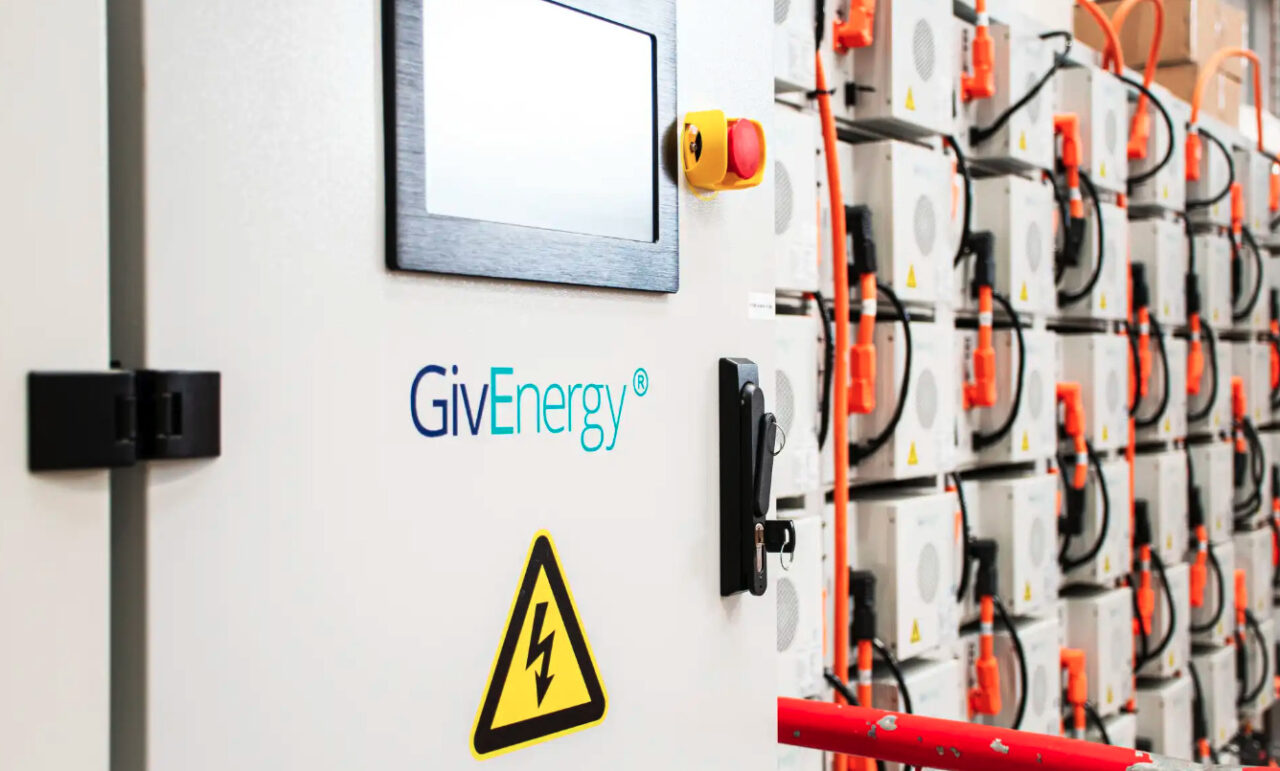
While batteries used to be purchased on the market after installing solar energy, many households now choose BESS over other technologies. Image: GiveEnergy.

The recent VAT exemption for domestic battery storage installations is a ‘critical step’ for the industry and is already having a positive impact, according to solutions provider GivEnergy.

With effect from February 1 this year, the UK government has removed VAT charges on domestic battery energy storage systems (BESS).

To enable installers to offer competitive prices, the Value Added Tax (Installation of Energy Saving Materials) Order 2024 applies to new domestic BESS installations and retrofits and will continue to do so until at least March 31, 2027.

Yet much of the growth in the UK energy storage industry from new construction is seen as increasing pressure to insulate and electrify new homes. While historically the market has seen battery purchases follow solar installations, many households are now choosing BESS over other technologies, said Dave Roberts, managing director of GivEnergy in the UK.

In conversation with our sister site Energy storage.newsAccording to Roberts, the time-of-use rates that are increasingly being introduced by utilities could mean a payback period of four or five years on home battery installations.

The Independent Advisor’s Solar Panel Guide states that solar panels pay for themselves on average after twelve years – this time this decreases with a solar battery. The savings offered by home battery storage are also more accessible. According to Roberts, installers and consumers need more education about the benefits to increase adoption.

For Roberts, the VAT exemption represents a “crucial step” for the introduction of a technology that is not yet sufficiently on the political agenda.

“It promotes greater energy self-sufficiency for households and represents an important (although overdue) step in the right direction,” he said.

See also  India's battery storage capacity is 219.1 MWh – SPE

Roberts added that his own sales data shows the sales tax exemption is already having an impact.

GivEnergy produces battery storage and EV charging solutions for the residential, commercial and industrial (C&I) markets from its factory in China, which it then sells through distributors in the UK market.

The full interview with Dave Roberts is available with Premium access to Energy-Storage.news.

Source link

battery crucial domestic exemption growth Market step VAT
Share. Facebook Twitter Pinterest LinkedIn Tumblr Email
solarenergy
  • Website

Related Posts

UK government considers community grant for battery storage

June 5, 2026

UK CfD scheme provides optimism for the UK investment landscape

June 5, 2026

Nova commissions a 400kW floating solar project in Cheshire

June 4, 2026
Leave A Reply Cancel Reply

Don't Miss
Policy

Cyprus limits 29% of renewable energy in 2024 – PV Magazine International

By solarenergyFebruary 16, 20250

Cyprus limited 29% of its renewable energy in 2024, a record high that indicates the…

Argonne will lead the National Energy Storage Research Hub

September 6, 2024

Weakening Chinese module prices lead to CPIA minimum cost guidelines

October 25, 2024

Giving a response to the assessment of skills in the market for solar PV – PV Magazine International

February 4, 2025
Stay In Touch
  • Facebook
  • Twitter
  • Pinterest
  • Instagram
  • YouTube
  • Vimeo
Our Picks

Dutch solar owners asked to switch off during peak periods to ease the distribution crisis

June 7, 2026

The hydrogen flow: Toyota demonstrates its racing prototype on liquid hydrogen

June 7, 2026

Era of electrification exposing Australia’s weakest link

June 6, 2026

‘Come out from behind your screen, our industry is ultimately about people’

June 6, 2026
Our Picks

Dutch solar owners asked to switch off during peak periods to ease the distribution crisis

June 7, 2026

The hydrogen flow: Toyota demonstrates its racing prototype on liquid hydrogen

June 7, 2026

Era of electrification exposing Australia’s weakest link

June 6, 2026
About
About

Stay updated with the latest in solar energy. Discover innovations, trends, policies, and market insights driving the future of sustainable power worldwide.

Subscribe to Updates

Get the latest creative news and updates about Solar industry directly in your inbox!

Facebook X (Twitter) Instagram Pinterest
  • Contact
  • Privacy Policy
  • Terms & Conditions
© 2026 Tsolarenergynews.co - All rights reserved.

Type above and press Enter to search. Press Esc to cancel.