

The UK government has published draft rules for projects hoping to apply for the eighth allocation round (AR8) of the Contracts for Difference (CfD) programme.
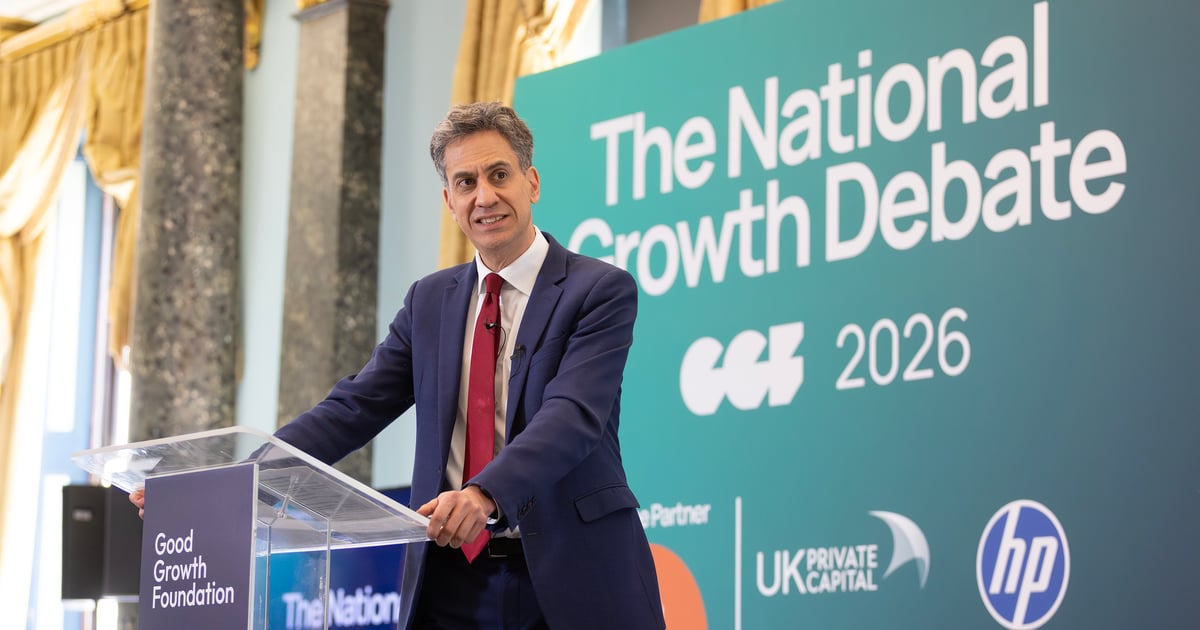
Minister of Energy in March this year Ed Miliband announced that AR8 would open in July, is running on a timeline that has accelerated in response to the conflict in the Middle East. The application window will open on July 20, 2026, with the budget not due to be published until September at the earliest, according to an indicative timeline for the auction confirmed this week.
The allocation framework for AR8 sets new rules that this and future CfD auctions will comply with.
An important new provision is that a project needs a strong grid connection to qualify for a CfD; as such, projects with Gate 1 connection offers (meaning they will not be connected to the grid until 2035 at the earliest) are not applicable.
This move is intended to bring the CfD process in line with grid connection reforms, with the government stating this is because Gate 1 projects have reduced security of supply due to the lack of secure grid connection data.
Due to AR8 being so close to the reforms, some mitigation has been included in this auction round specifically, but going forward CfDs will only apply to Gate 2 projects.
Projects that have previously won and surrendered CfD capacity are also not applicable to upcoming auctions. According to the government’s decision to permanently limit surrendered capacity from bidding, this will protect auction integrity and project timelines.
In AR7, the energy secretary had insight into the bids of offshore wind projects, allowing Miliband to take this into account when determining the final auction budget. In the future, this visibility will be expanded to solar energy and onshore wind. Responses to the consultation indicated that this would enable significant capacity gains at potentially low costs and better budgetary efficiency.
In pushing through the change, the government said the approach “will enable us to make better-informed, more cost-effective budget decisions for technologies critical to achieving Clean Energy by 2030.”
Other changes include disallowing flexible bidding for offshore wind, smaller onshore wind and solar power of less than 5 MW, and the introduction of a category for ‘other deepwater offshore wind’.
According to the tentative timeline, the AR8 results could be announced as early as November 27, on the fastest timeline, and no later than February 17.
