

Director of the Slovak Association for Sustainable Energy, Ján Karaba, said pv magazine It is expected that solar energy will become one of the key technologies used within future energy communities in Slovakia, but mentioned regulatory improvements will be essential to unlock the full potential of decentralized solar energy.
The Slovak Innovation and Energy Agency (SIEA) and the Energy Communities Cluster of Slovakia (KEKS) have entered into an agreement to implement energy communities. The two partners signed a memorandum of mutual support and cooperation, which outlines a framework for long-term cooperation in community energy development.
Signing the document, SIEA Director Michal Fiala said the two parties share a common goal: increasing the energy self-sufficiency of Slovak cities, municipalities and households.
“We confirm our interest in creating incentive conditions that will lead to meaningful energy sharing,” Fiala said.
Ján Karaba, director of the Slovak Association for Sustainable Energy (SAPI), said pv magazine that solar energy is expected to become one of the key technologies used in future energy communities Slovakia.
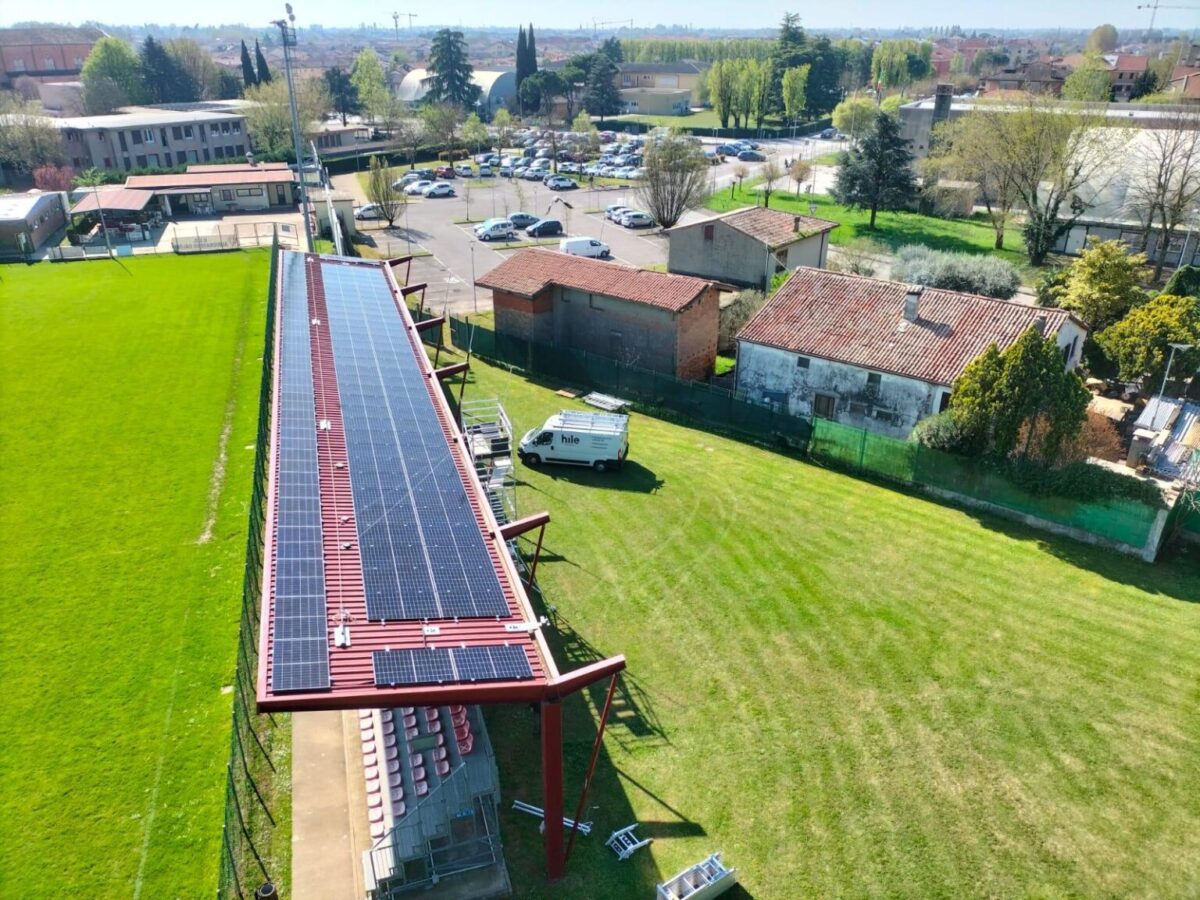
“In practice, community energy projects will likely be built mainly around rooftops and local photovoltaic installations, combined with battery storage, local consumption and electricity sharing,” Karaba explains.
SAPI sees the development of energy communities as a potentially important new driver for the Slovak solar market, Karaba added. He said Slovakia has seen strong growth in distributed solar installations in recent years, especially in the residential and small commercial segments, with almost 16,000 new photovoltaic installations connected last year. The country’s cumulative solar capacity has been exceeded 1.3 GW by the end of 2025.
However, Karaba warned that Slovakia still lags significantly behind many EU countries in the practical deployment of energy communities.
He cited the complexity of regulations, insufficient practical knowledge and the lack of simple implementation models for municipalities, apartment buildings and local businesses as the main obstacles. He then stated that SAPI is cooperating with SIEA and KEKS in these matters.
“While these organizations have a strong focus on raising awareness, education and practical support for local initiatives, SAPI’s main role is to help shape the legal and regulatory framework for community energy in Slovakia,” Karaba said. “We have been actively involved in discussions surrounding the implementation of the Renewable Energy Directives (RED) II and RED III, electricity sharing rules and proposals aimed at simplifying the operation of renewable energy communities and active consumers.”
SAPI last year proposed introducing the concept of a ‘common energy source’ into Slovak law, in an effort to simplify electricity sharing and make community projects more economically viable.
“We believe that further regulatory improvements will be essential to unlocking the full potential of decentralized solar energy and local flexibility services in Slovakia,” Karaba added.
“If Slovakia manages to continue to improve the legislative framework and accelerate the implementation of energy market reforms in the EU, energy communities can significantly support the future growth of decentralized solar energy while helping to improve local energy self-sufficiency, public acceptance of renewables and the overall flexibility of the electricity system.”
This content is copyrighted and may not be reused. If you would like to collaborate with us and reuse some of our content, please contact: editors@pv-magazine.com.
